Moodyphotography
Low key. Cinematic. Deep shadow and a single shaft of light. The aesthetic that makes premium products feel more premium. Generated from your brand reference.
Moody is what premium looks like under pressure
Moody photography is low-key imagery — dark backgrounds, deep shadow, high contrast, a single defined light source that carves the product out of darkness. It's the aesthetic you see across perfume ads, whiskey campaigns, luxury watches, and cinematic editorial. The visual logic is simple: less light means more mystery, more mystery means more perceived value. A candle photographed on a sunny linen counter reads as domestic and approachable. The same candle photographed with one hard light source cutting through a dark frame reads as expensive, considered, and serious. Moody is the style brands reach for when they want to signal that this product is not for everyone — which, in premium categories, is exactly the point. Moody is also the style that's easiest to get wrong. Amateur attempts usually end up muddy, under-exposed, or with distracting noise in the shadows. Professional moody photography requires precise light control — a single hard source, black flags to kill spill, careful metering to hold detail in both the highlight and the shadow. Snapsible generates moody imagery from a reference and your product photo. Paste a Hennessy campaign, a Santal 33 shot, a Nocturnes-era Tim Walker frame, and the AI translates the lighting and atmosphere onto your product while preserving label, finish, and brand color. Because the model is trained on high-production campaign imagery, moody mode outputs with the kind of contrast control and color grading that usually takes a colorist in post.
AI-generated. Studio quality.
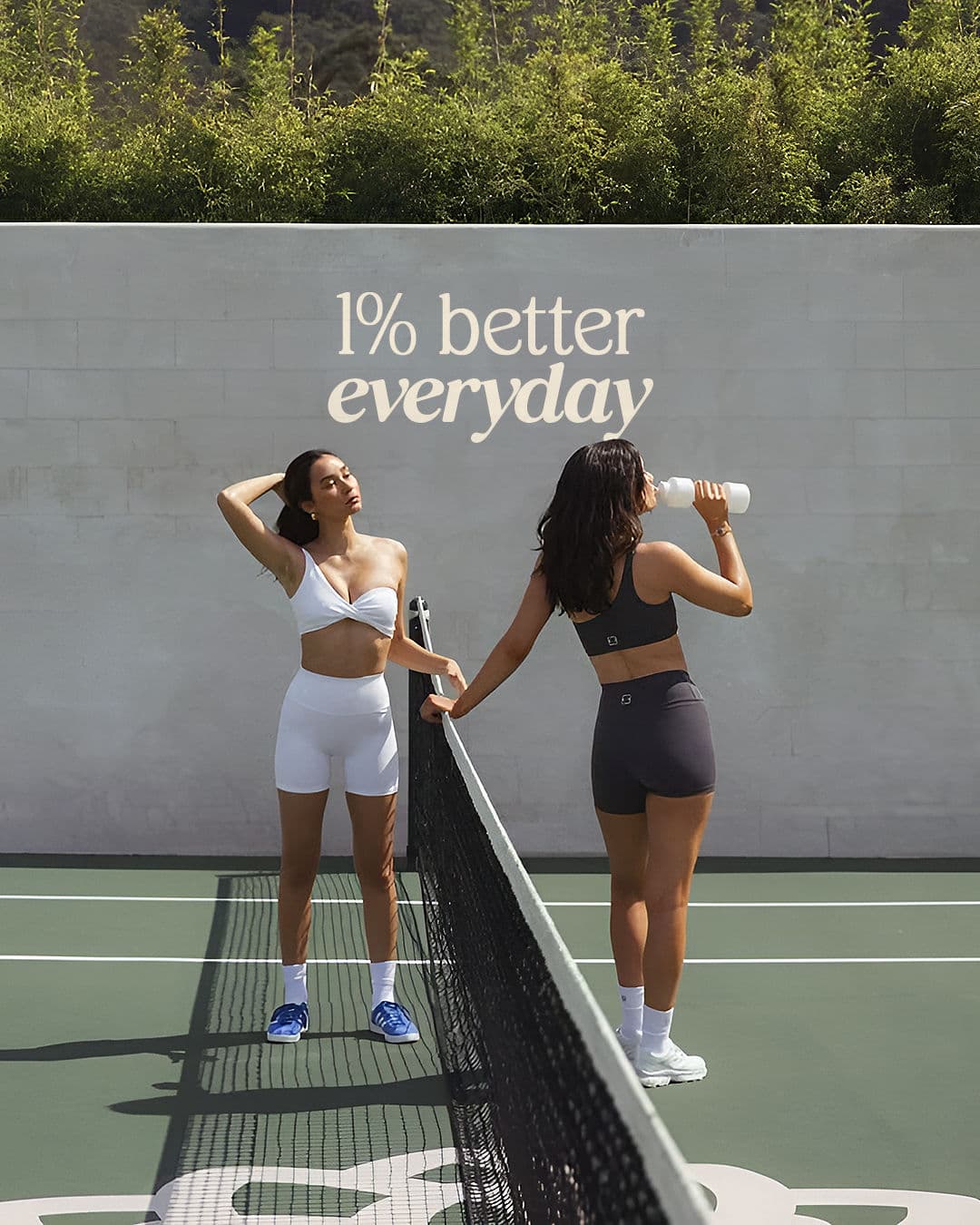
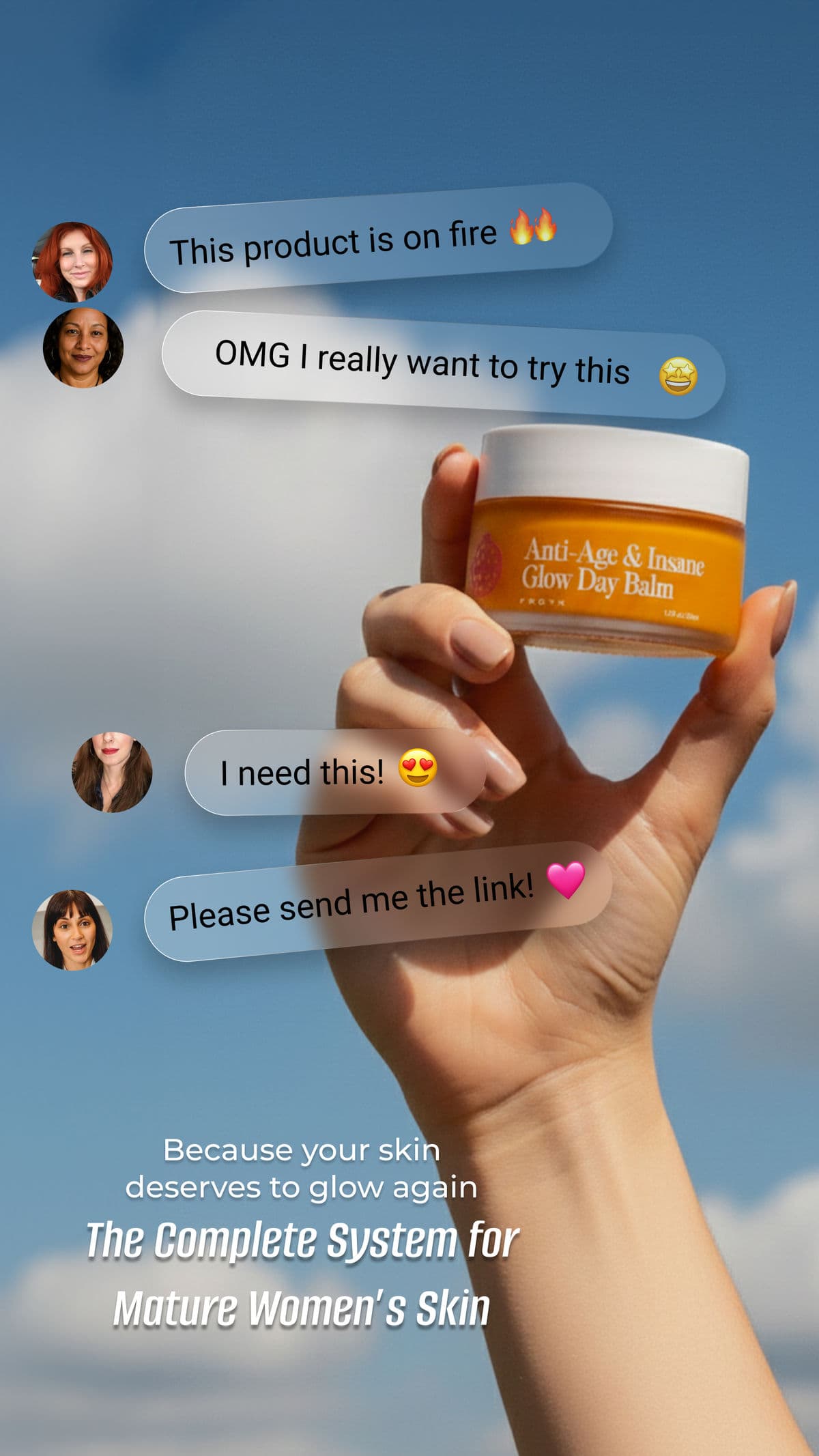
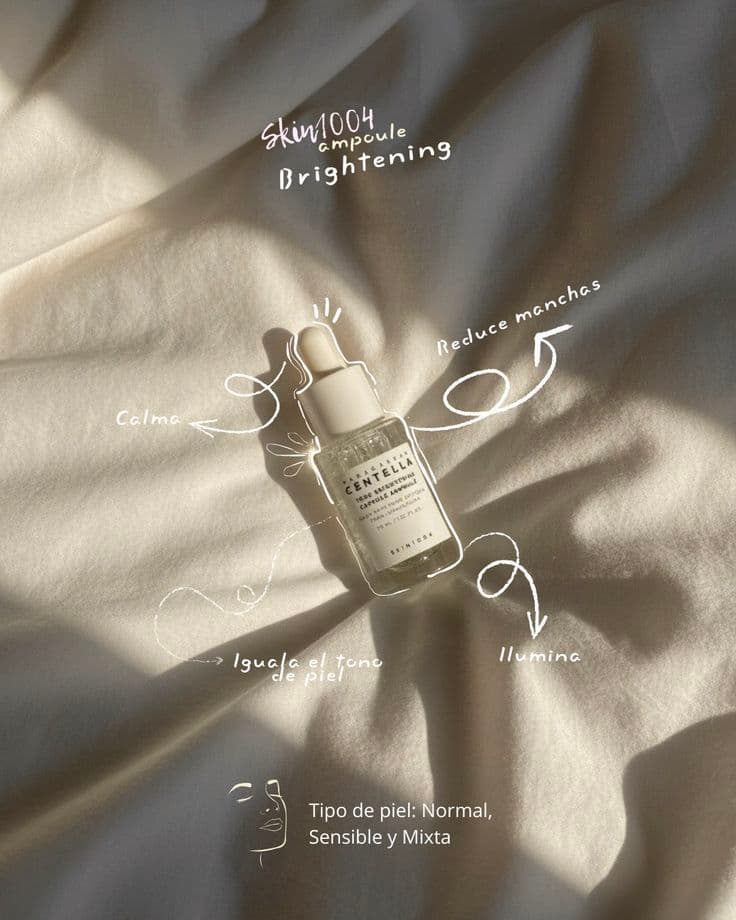
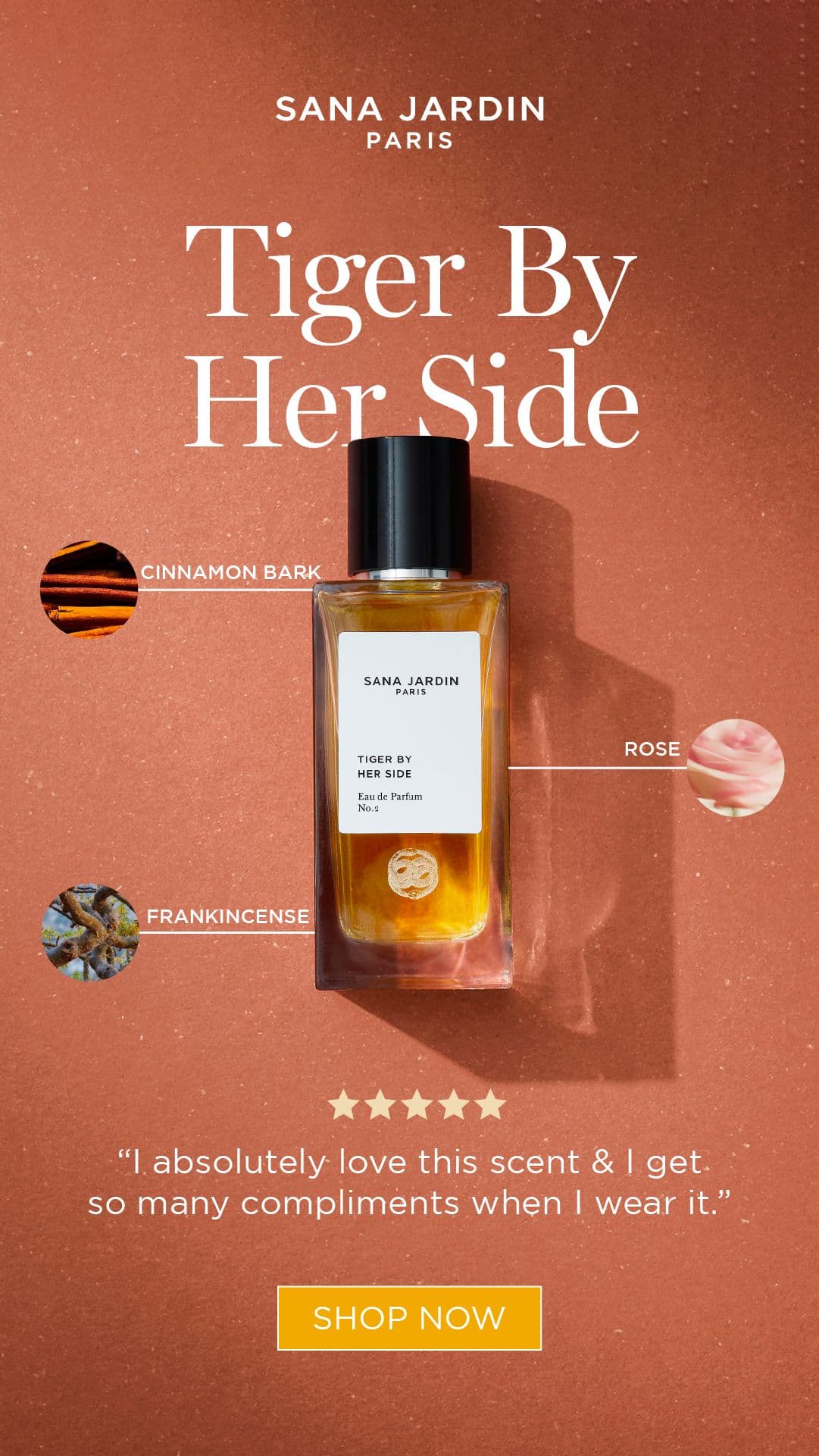
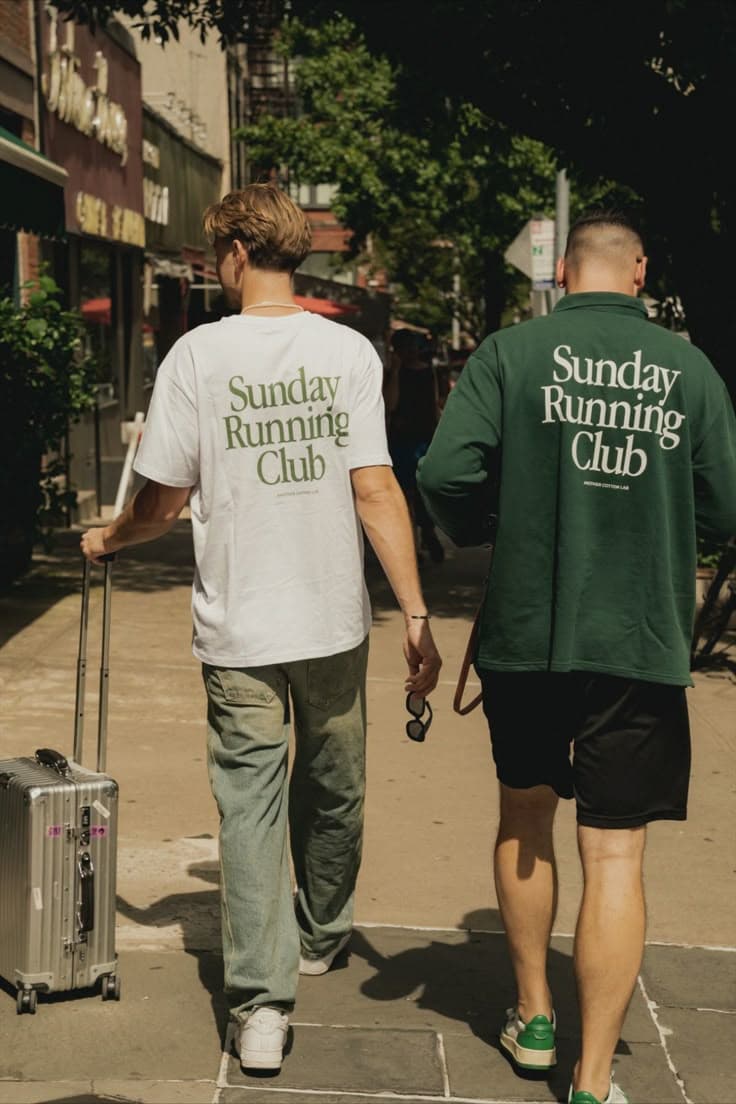
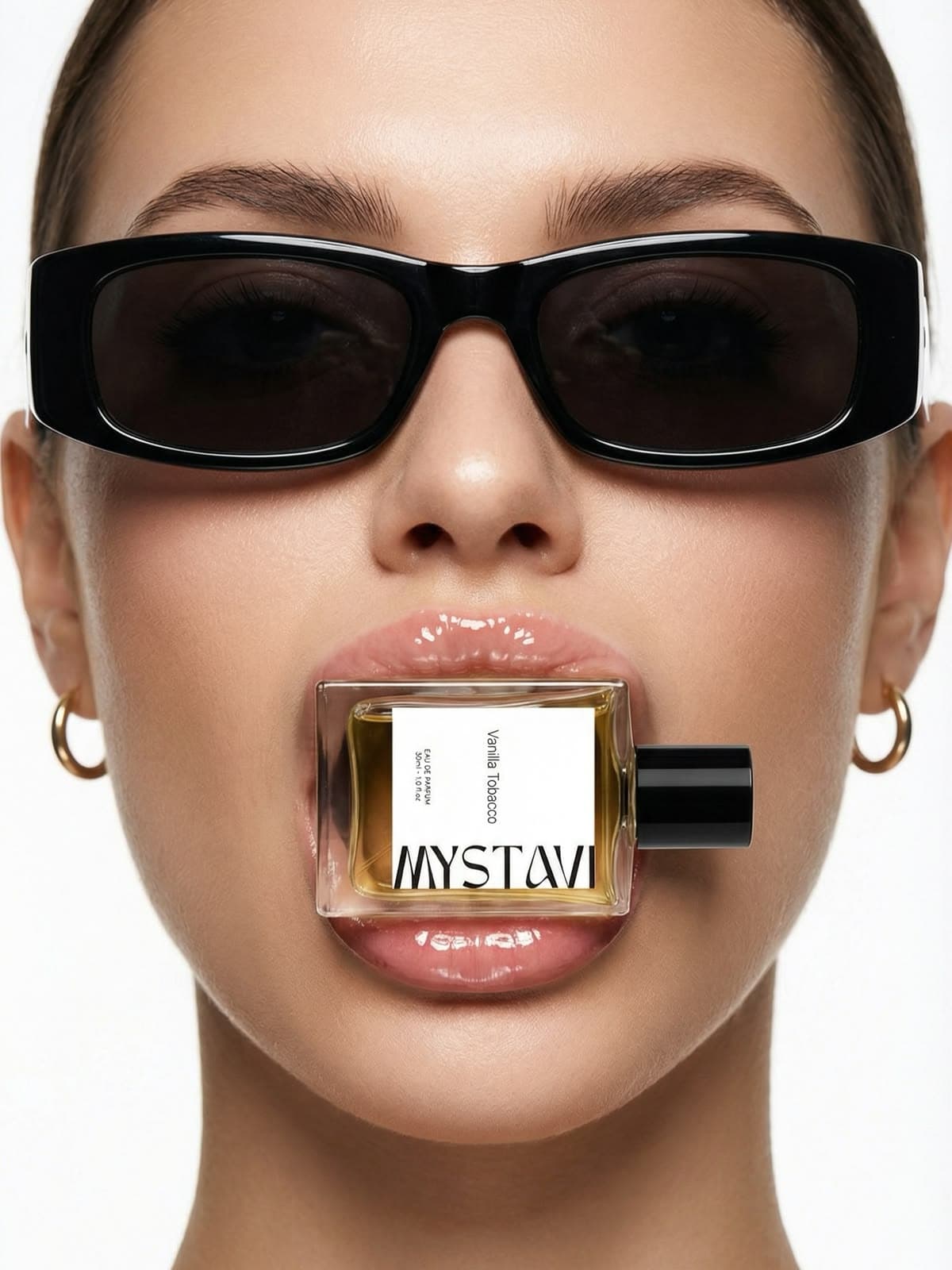
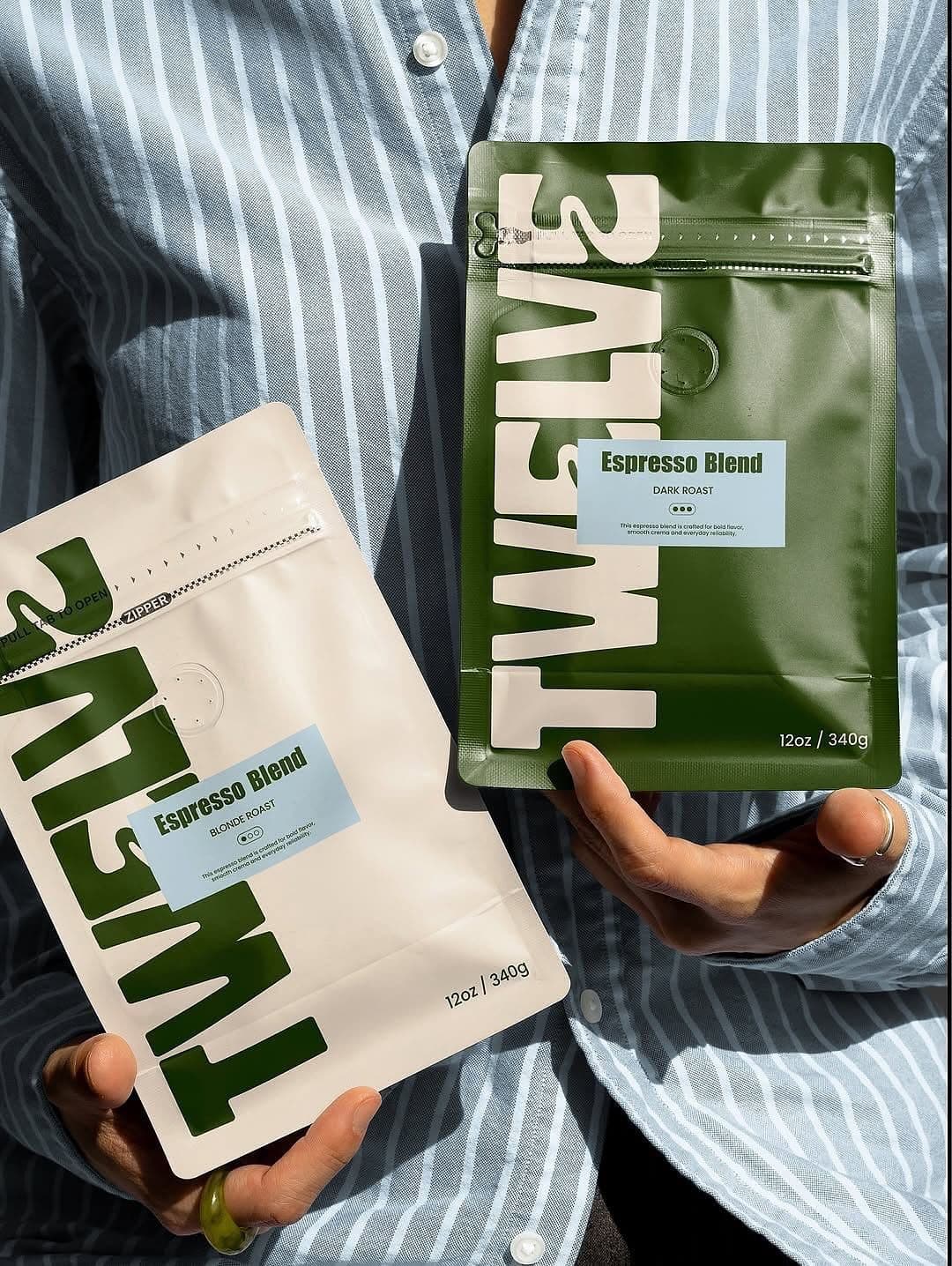
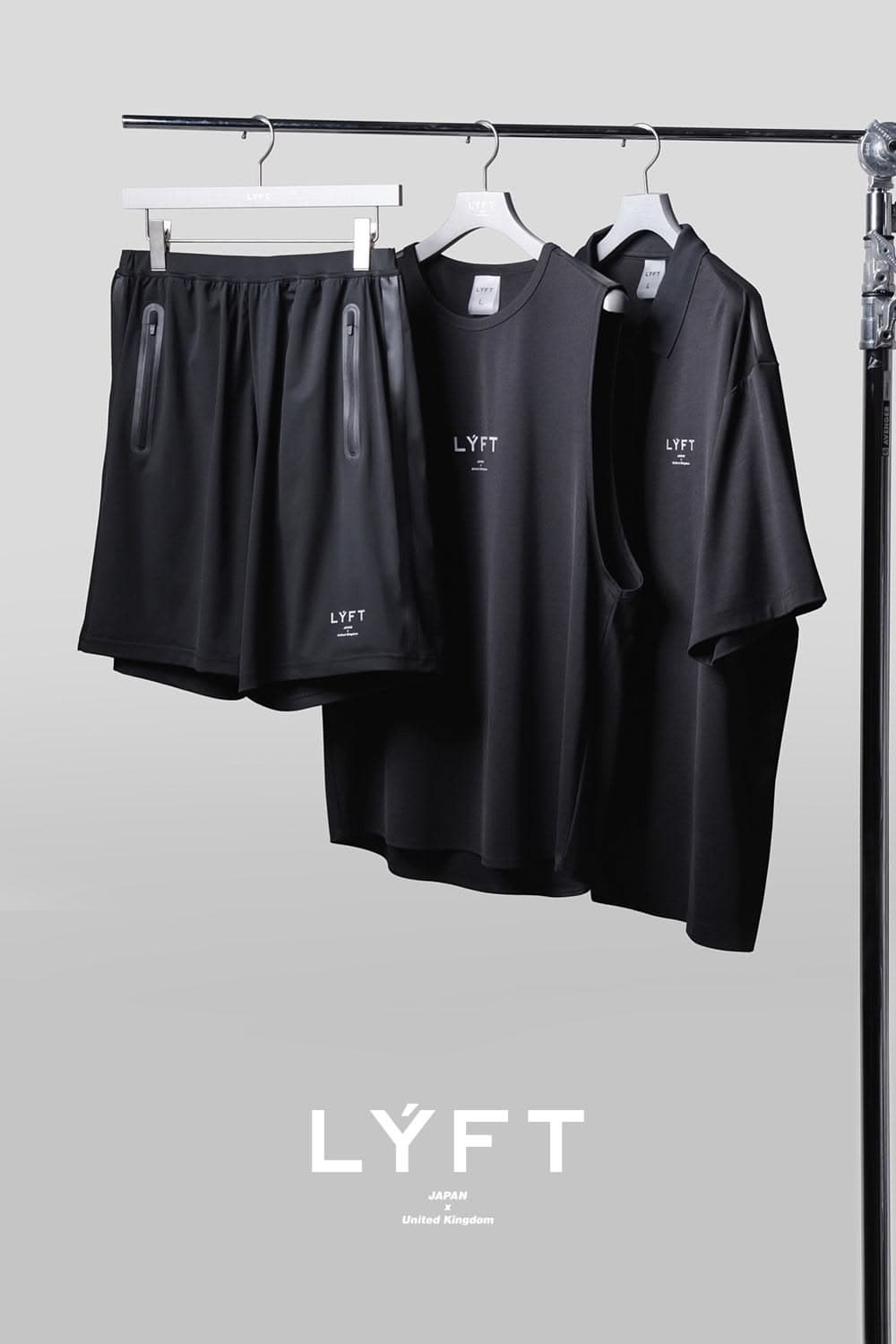
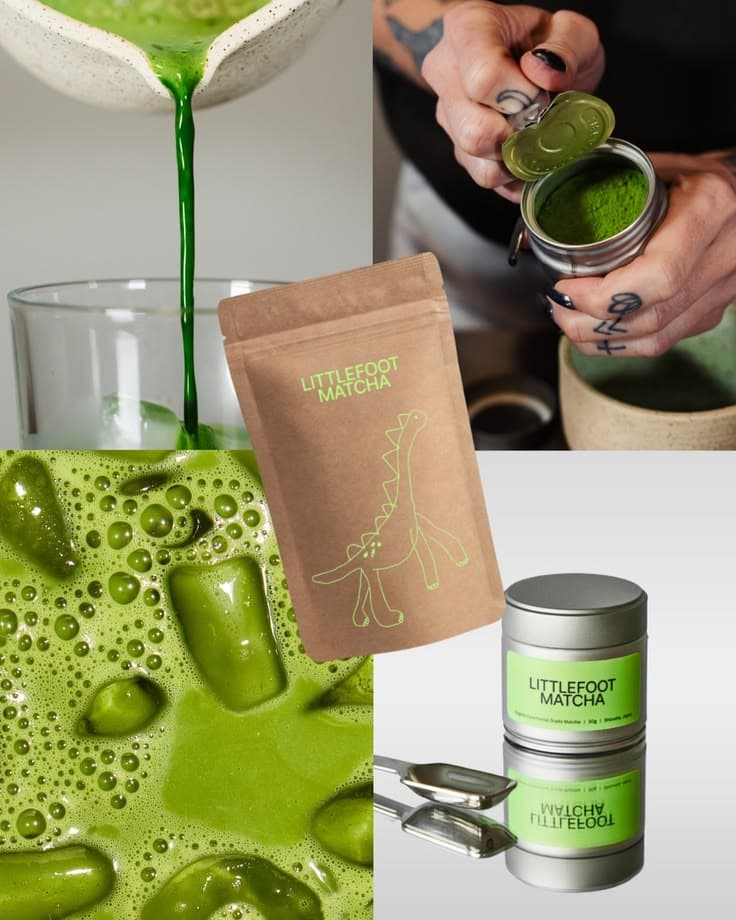
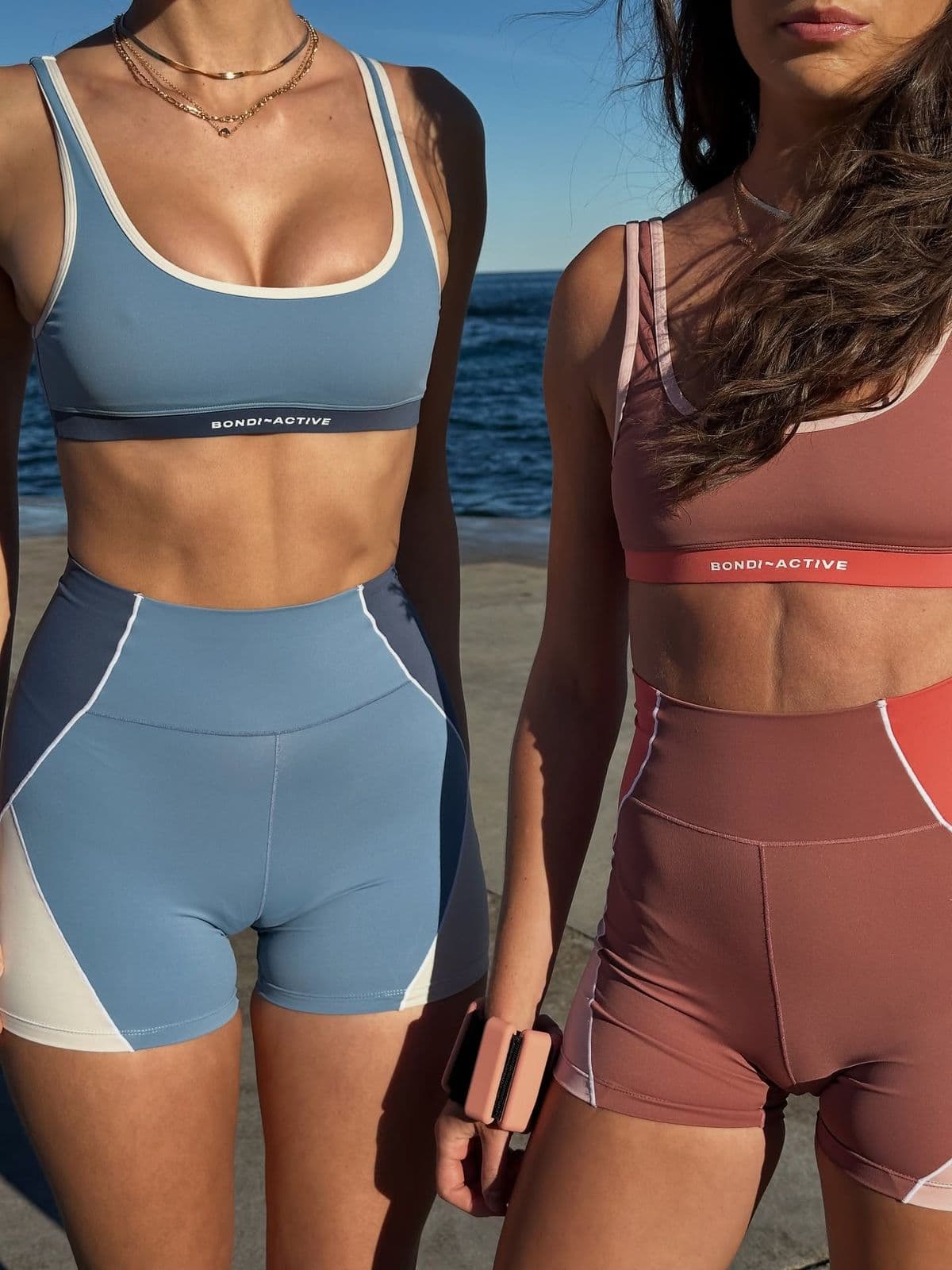
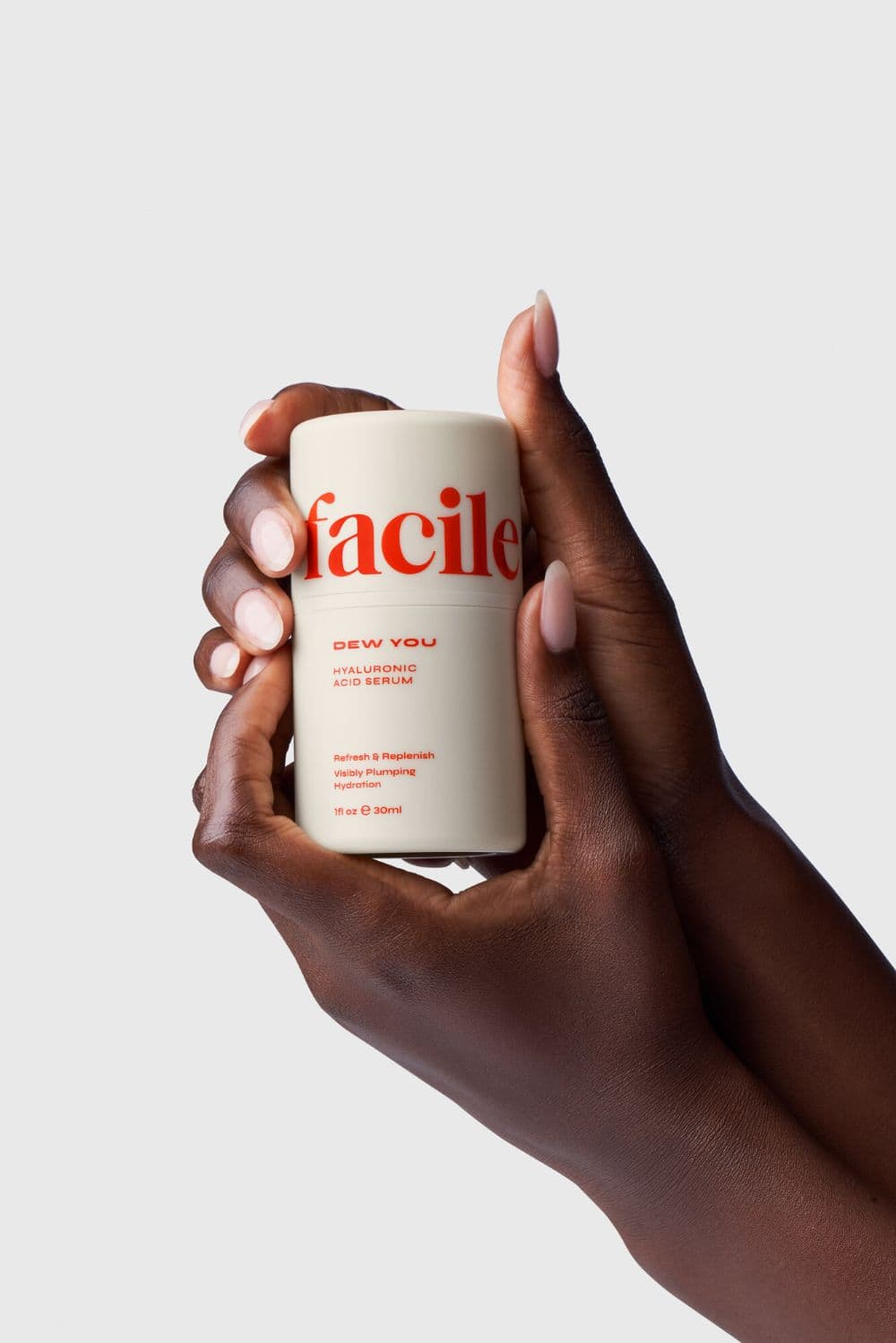
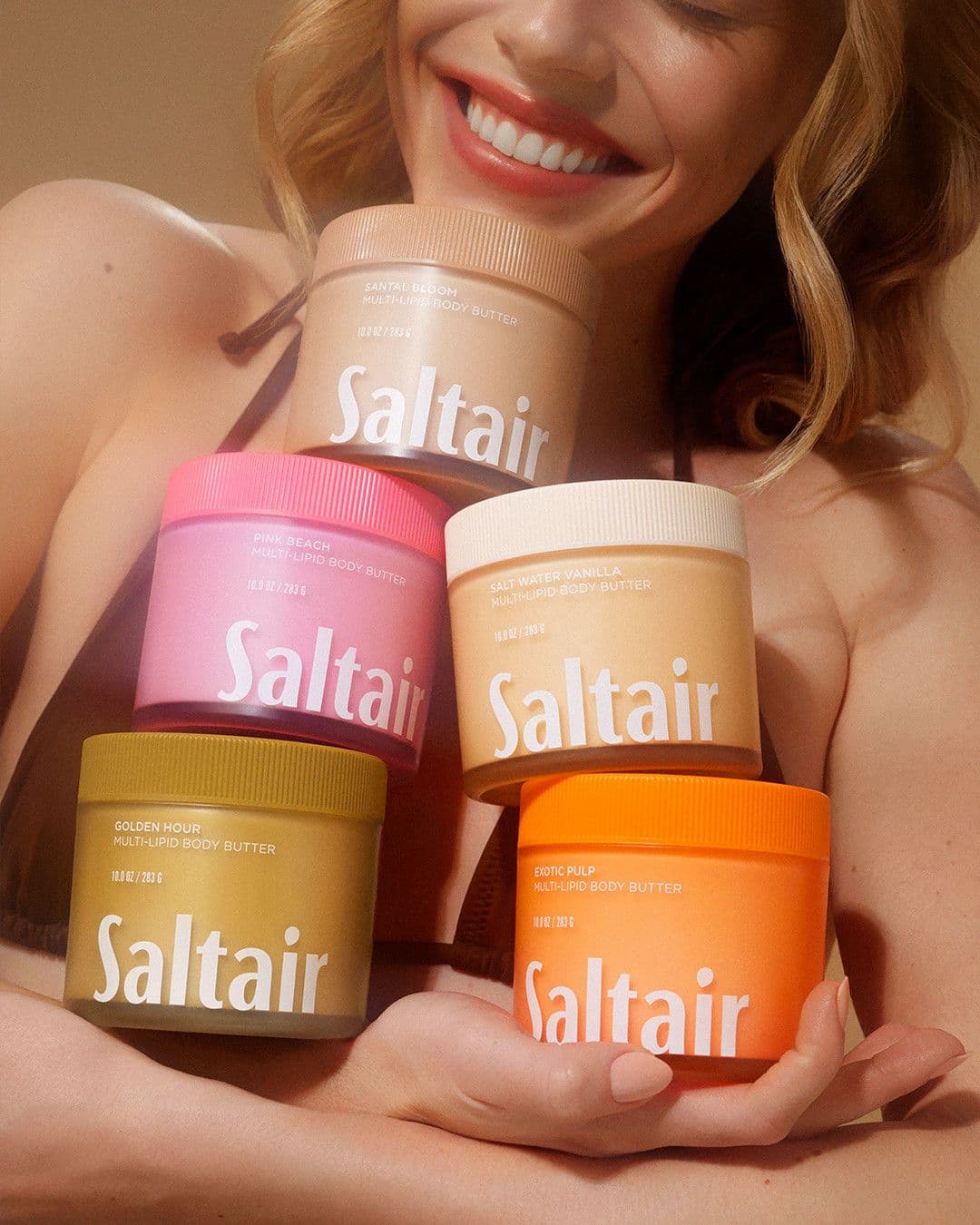
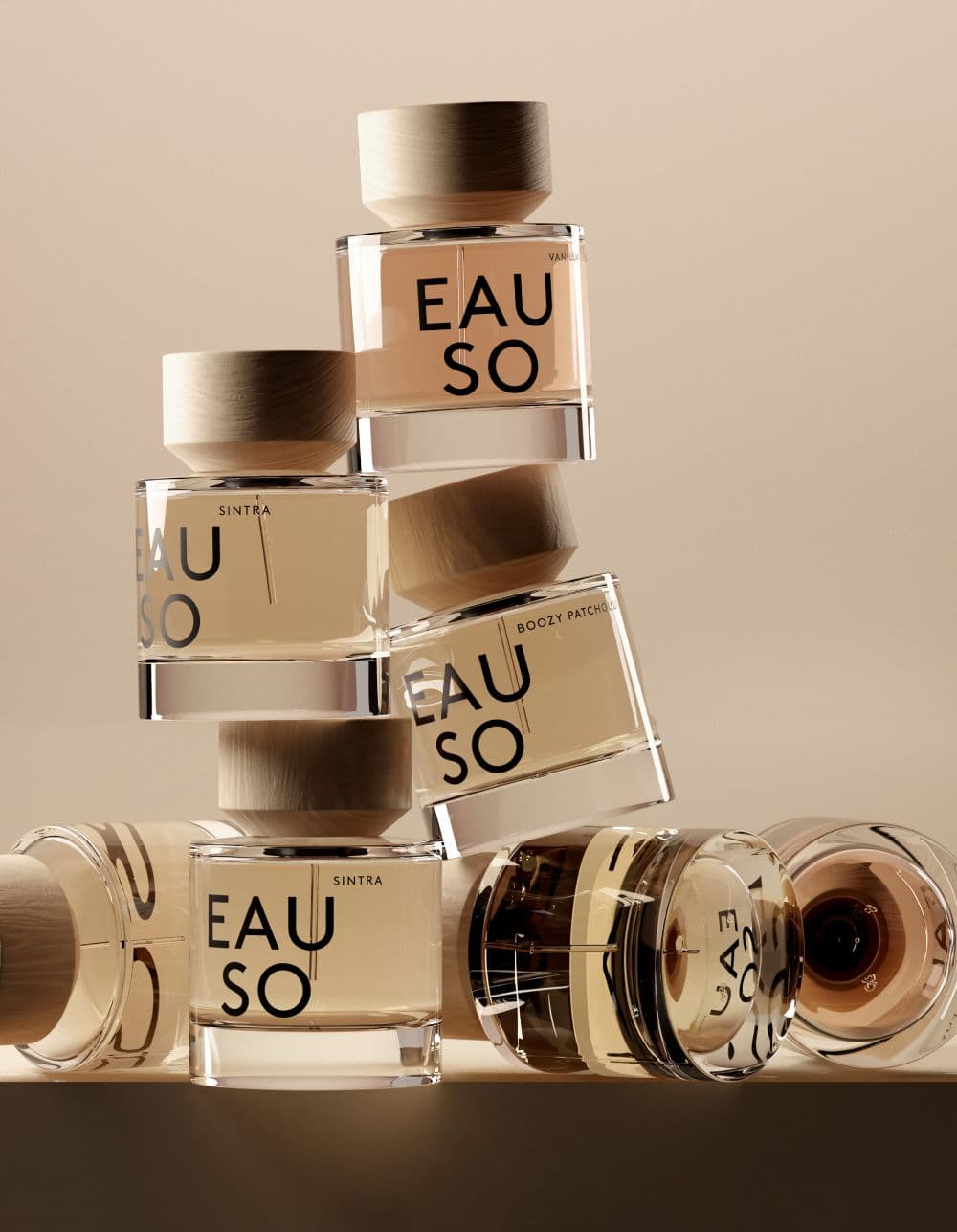
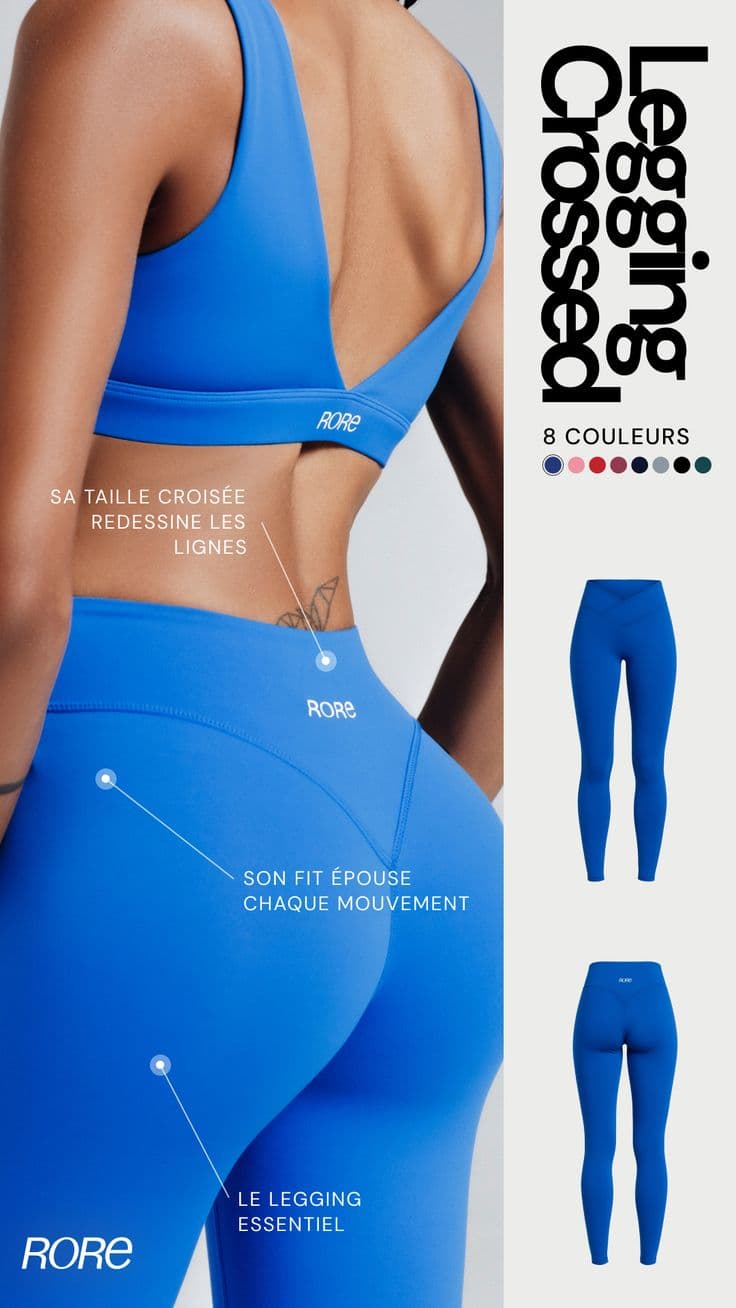
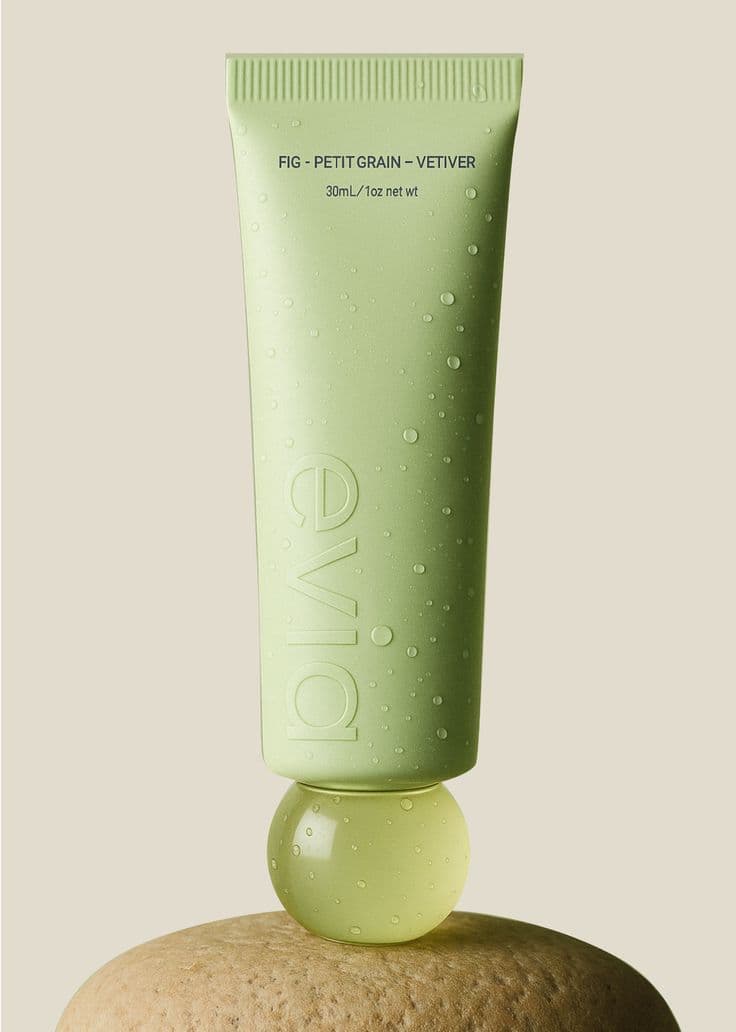
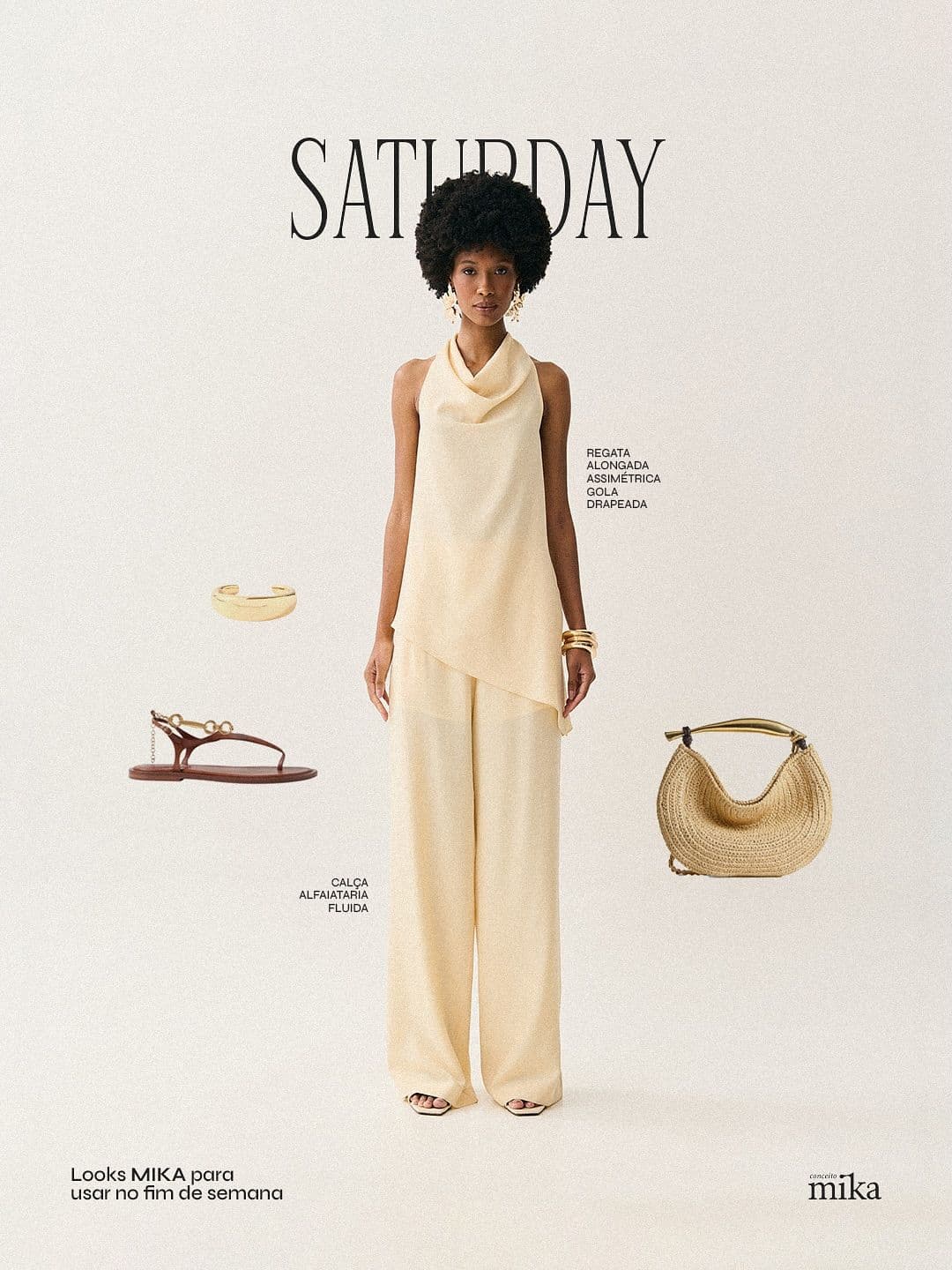
Every image below was generated in seconds. No photographer, no studio, no retouching.
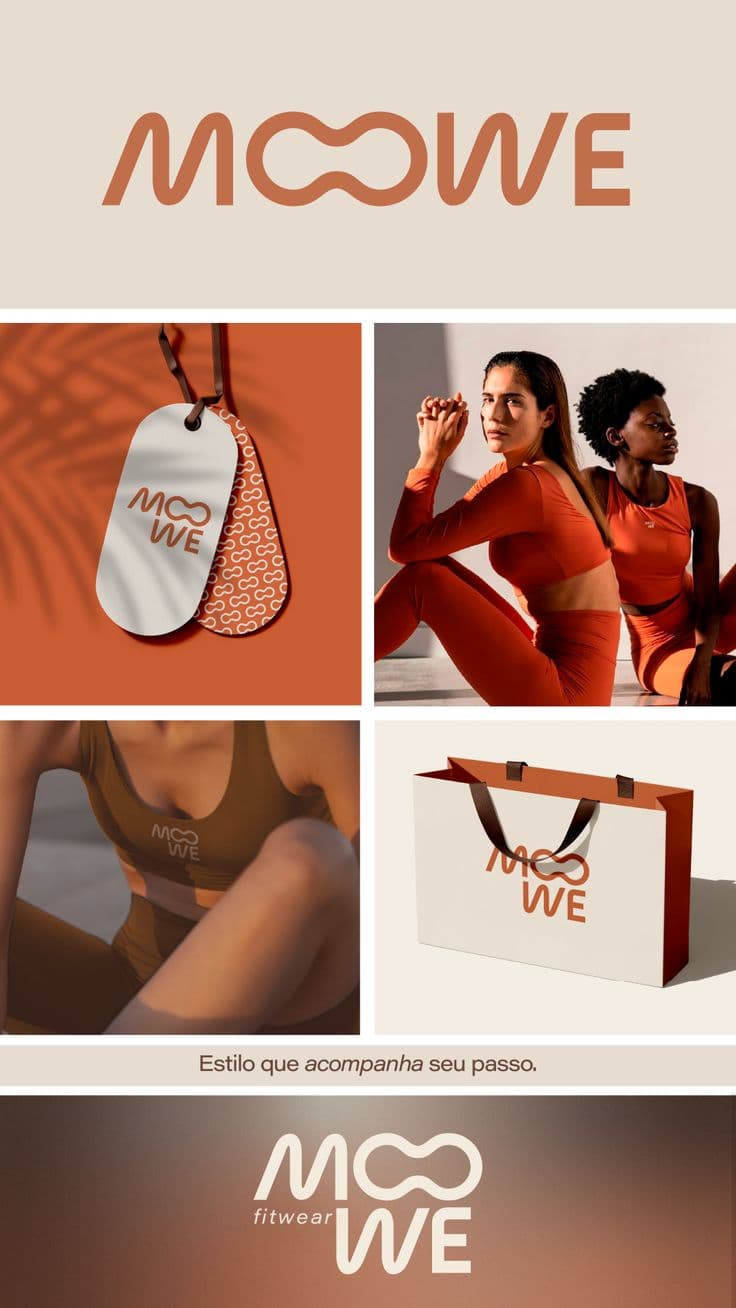
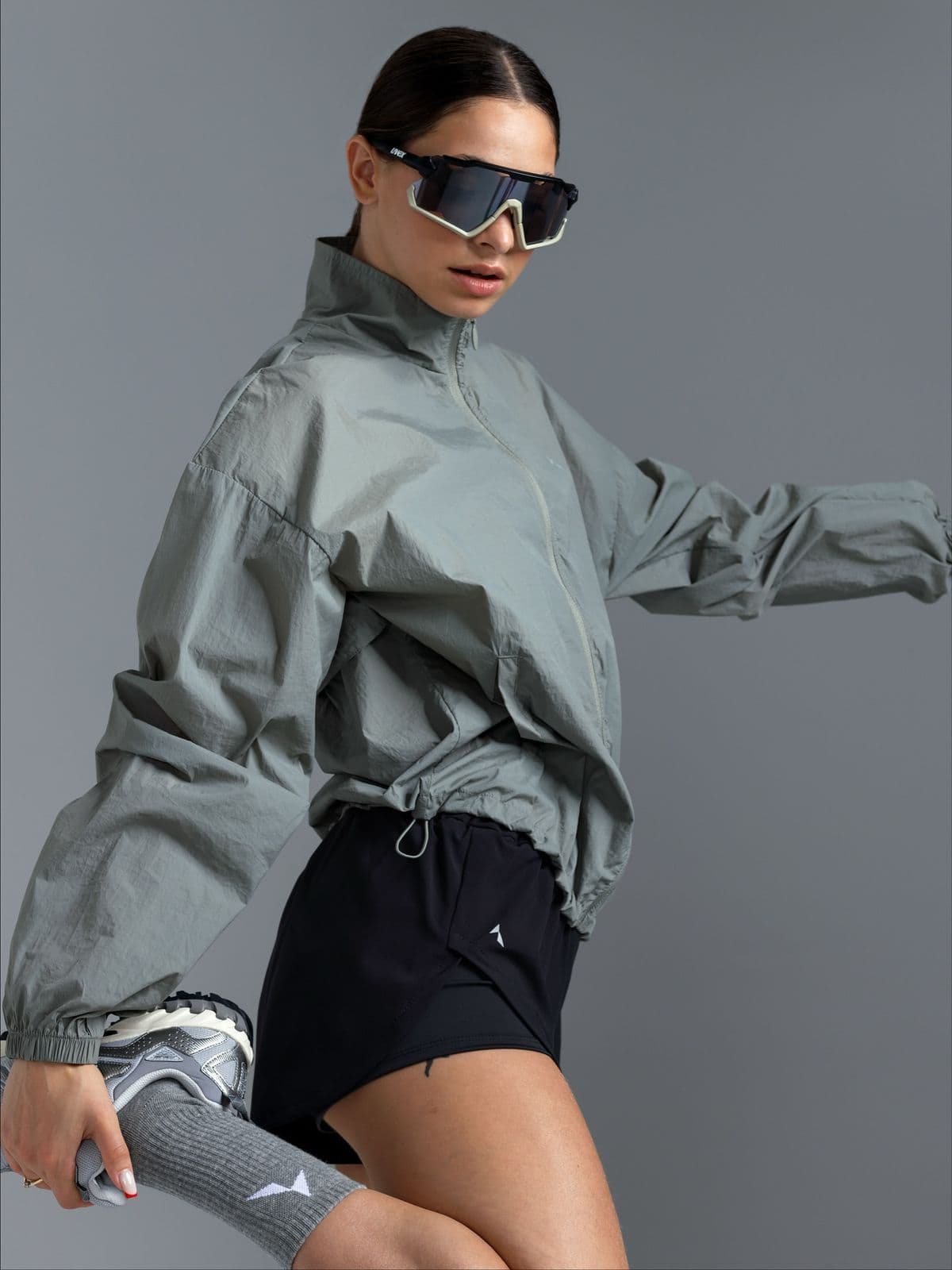
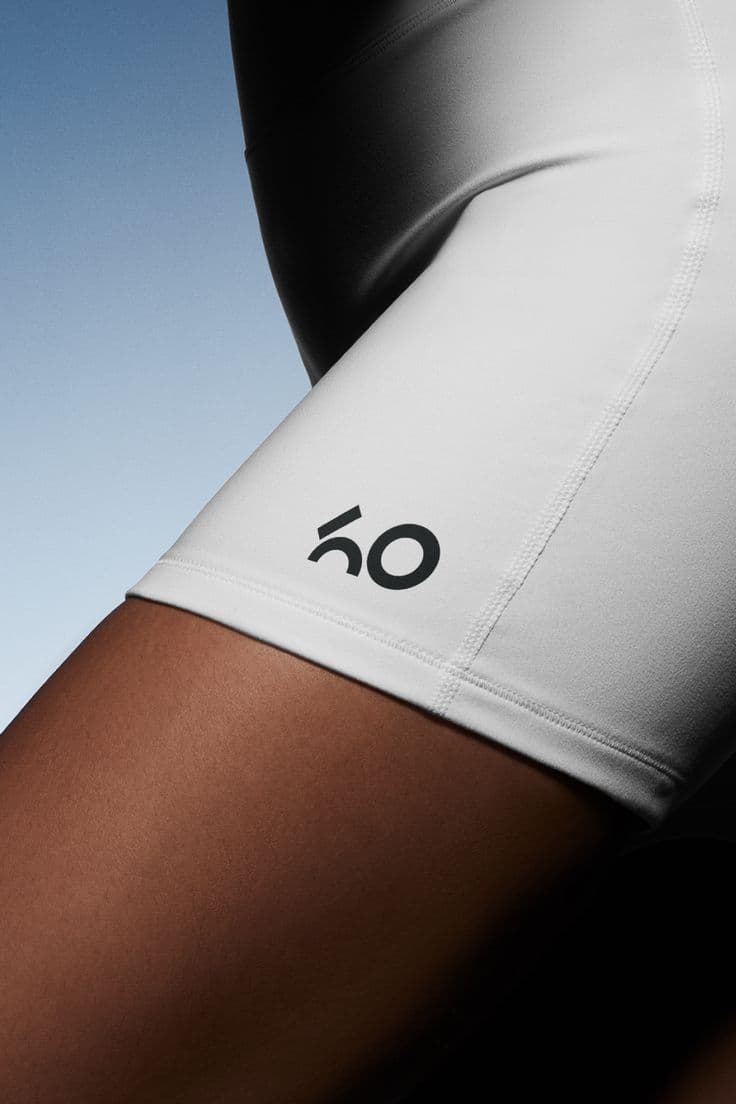
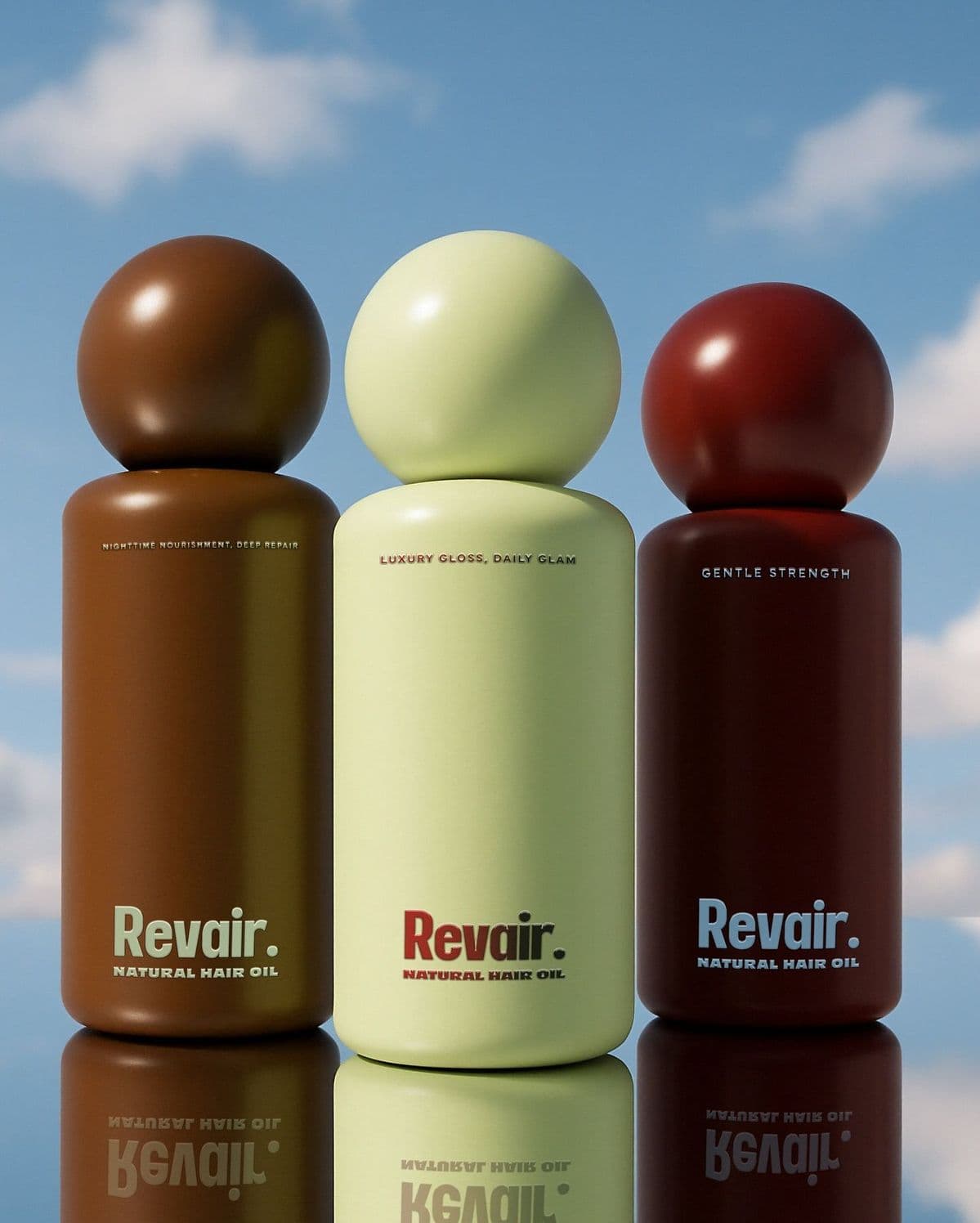
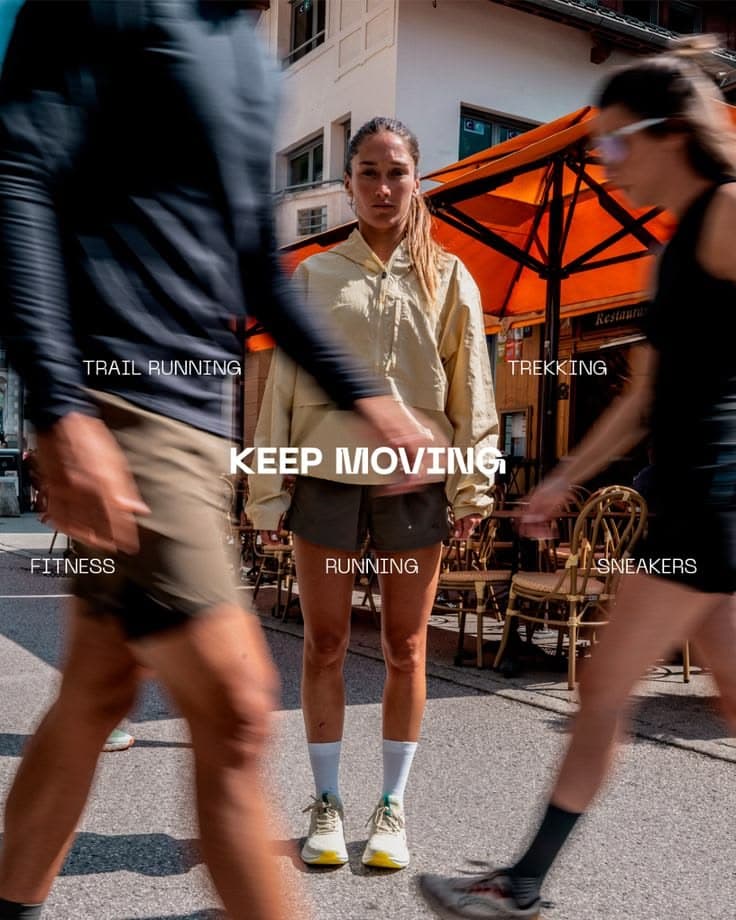
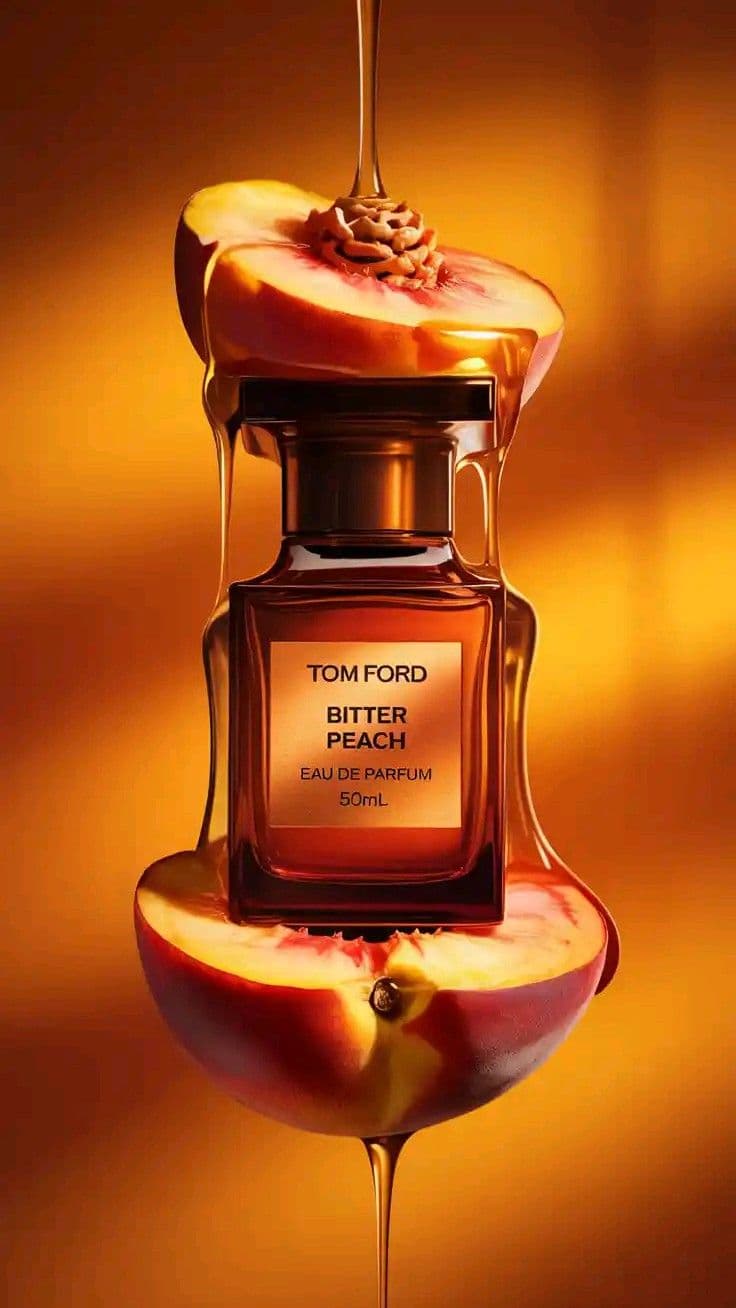
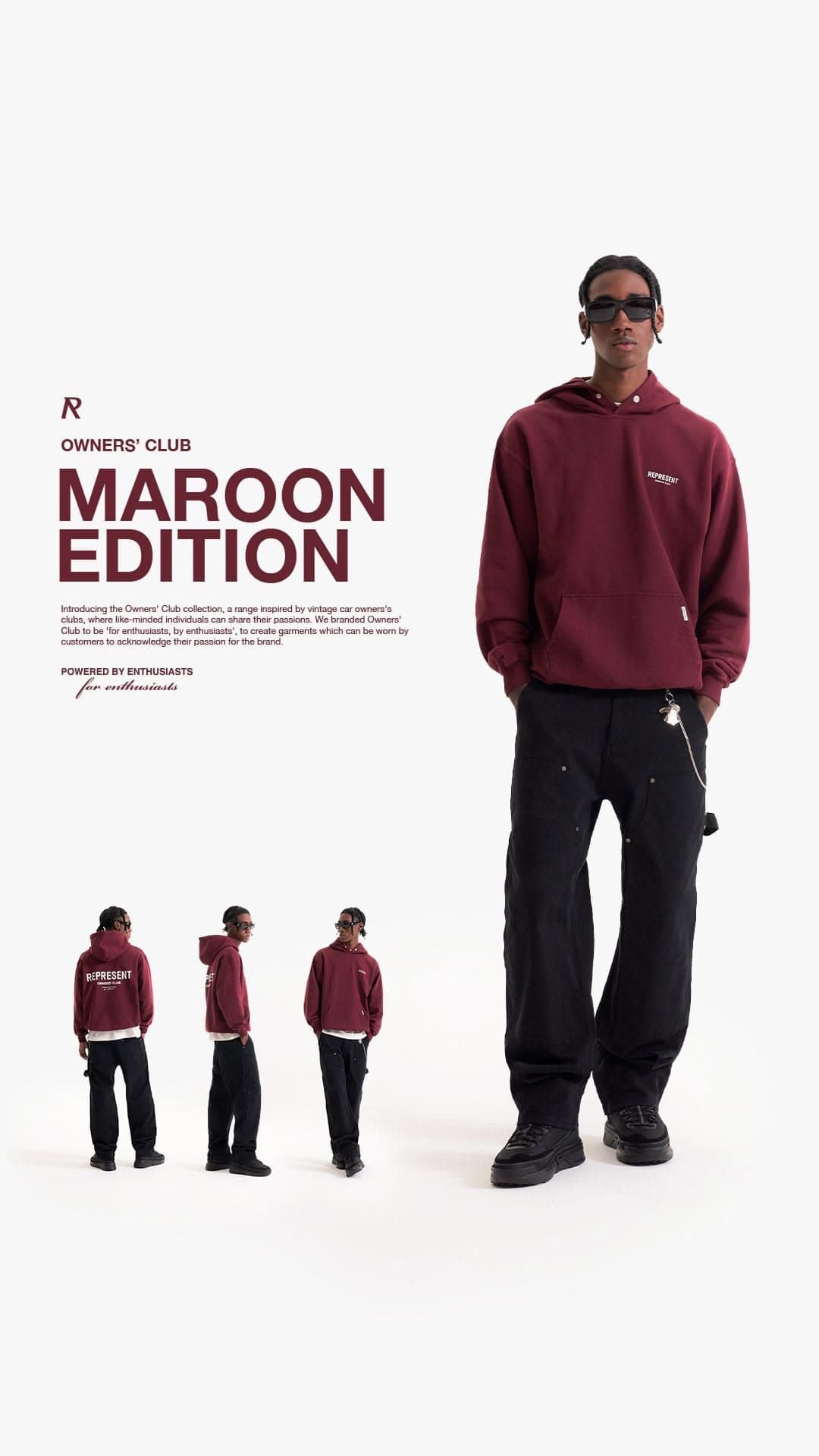
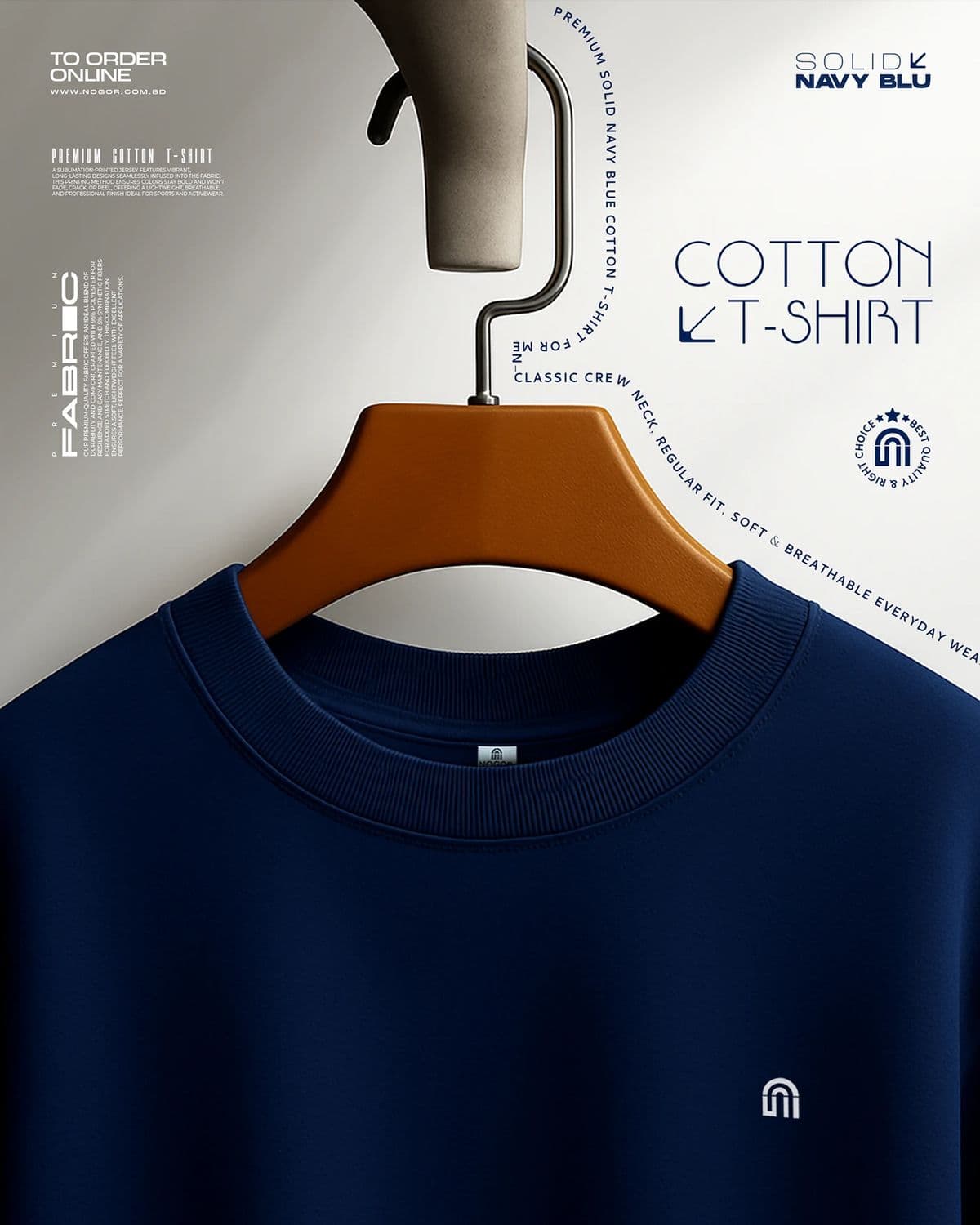
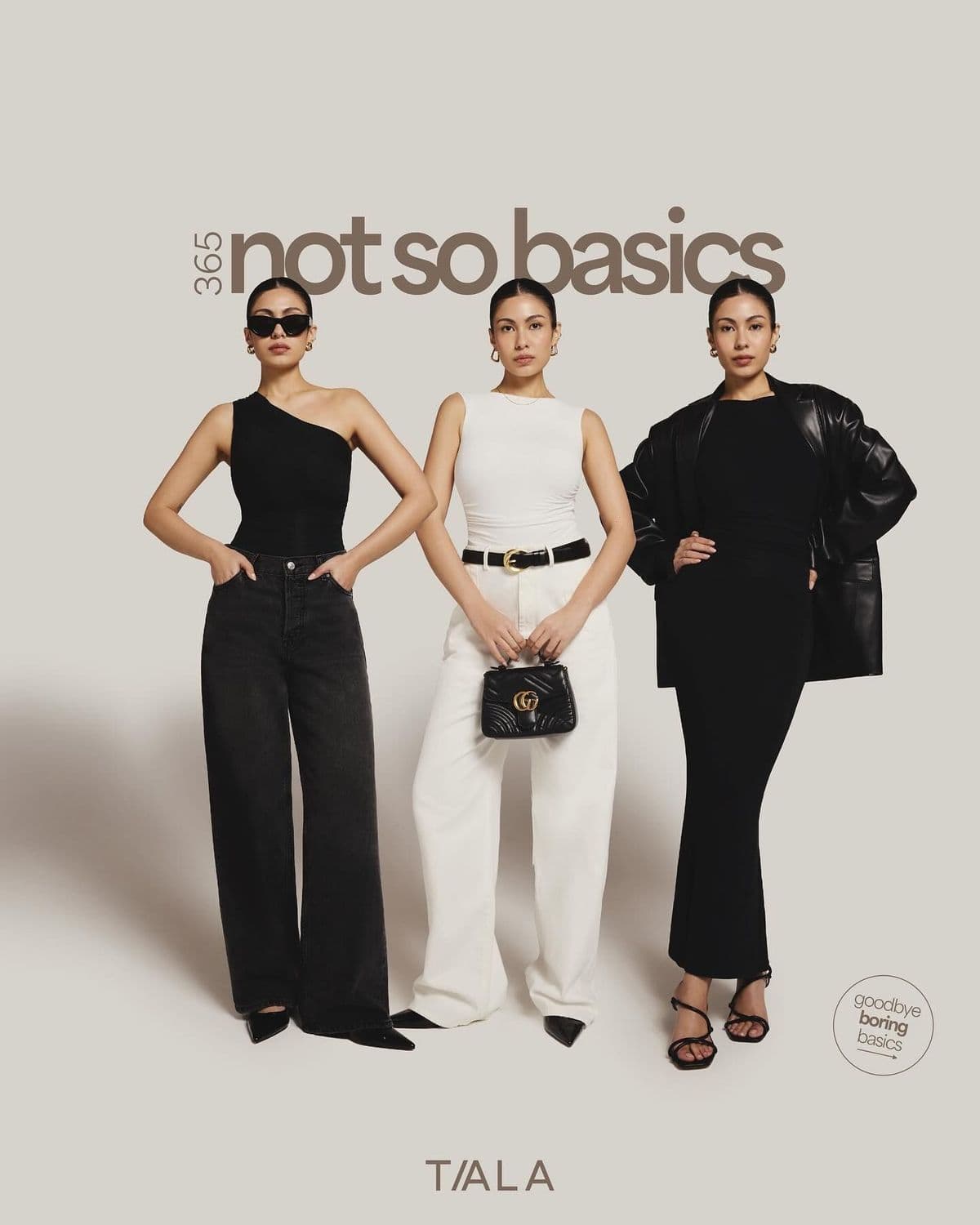
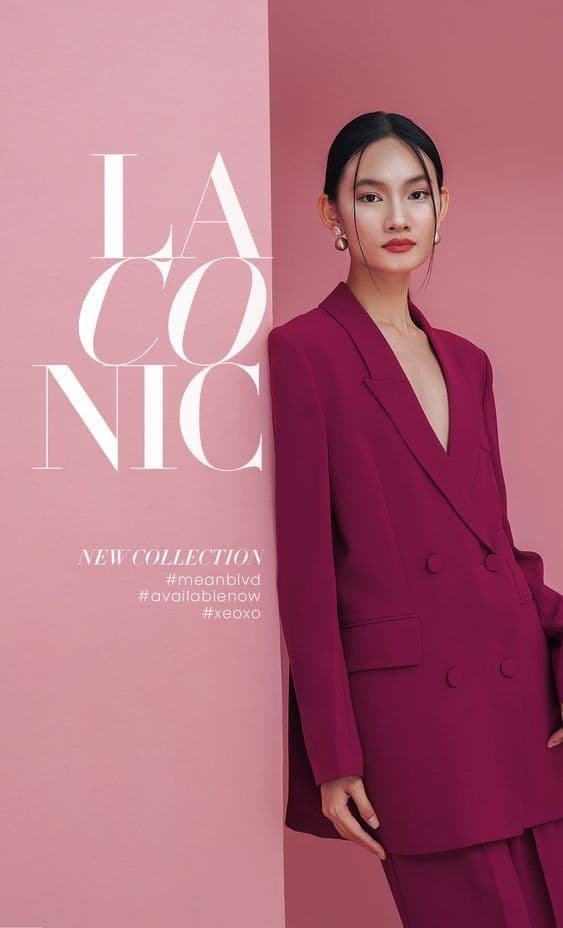
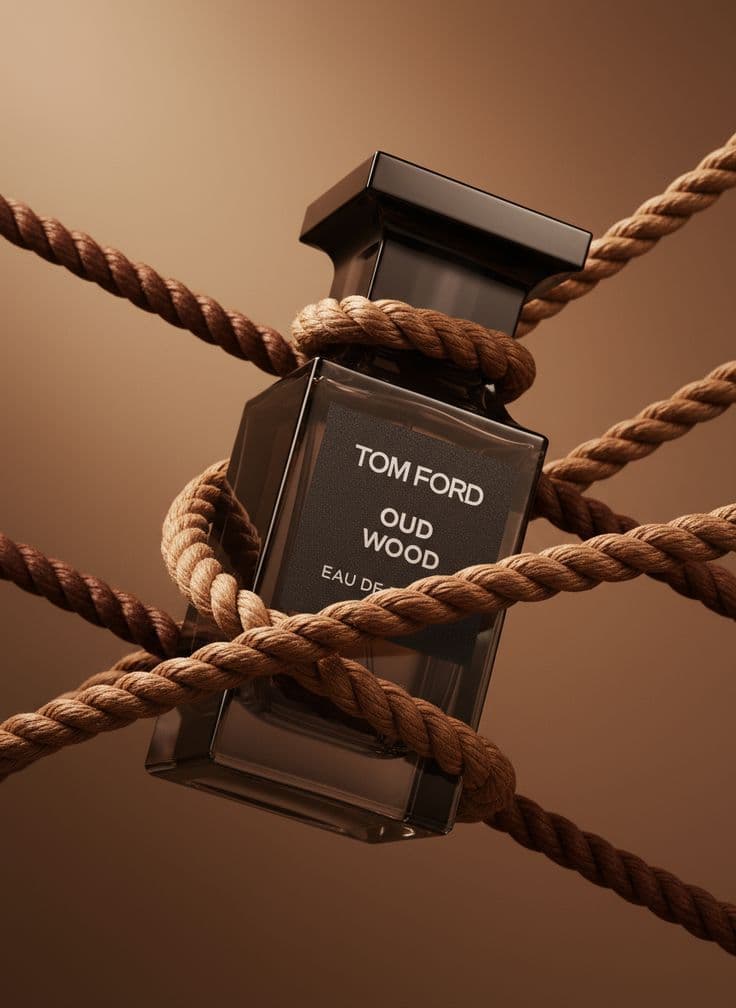
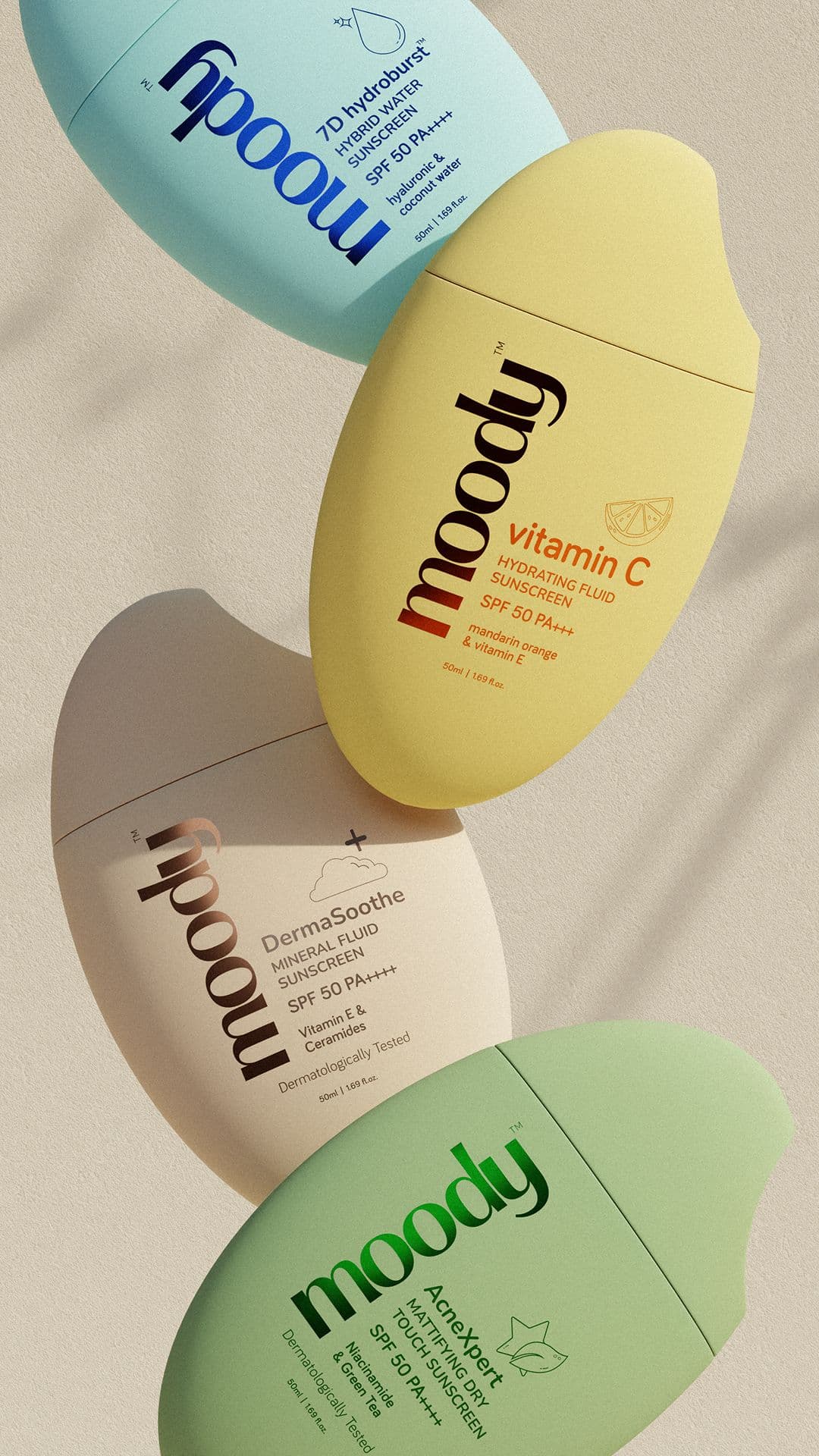
How to make moody feel expensive, not gloomy
Moody and dark-but-cheap are easier to confuse than they should be. Six rules that keep the output cinematic instead of muddy.
Commit to a single light source
Moody dies with two lights. The defining characteristic of the style is that the viewer can see exactly where the light is coming from — one window, one spot, one candle. Multiple soft sources wash everything into generic evenly-lit territory and kill the atmosphere.
Hold highlight and shadow detail, don't crush either
True black behind the product is fine, but the product itself should have both lit and shadowed areas with visible detail. Amateur moody either over-exposes the product (highlight clips) or under-exposes it (shadow crushes). Specify "balanced exposure, dramatic contrast" in your reference.
Add a rim or backlight to separate product from background
On a dark background, a dark product disappears. A subtle rim light on the edge of the product — from behind or from a back-side angle — creates the outline that keeps the product readable against the dark ground. This is the single biggest trick in professional moody photography.
Use color temperature intentionally
Moody usually lives in warm amber (whiskey, candlelight, restaurant interior) or cool blue (night, modernist, masculine). Pick a temperature and let the whole frame lean into it. Mixed color temperatures read as accidental.
Keep the background textural, not blank
Pure black backgrounds look like studio dropouts. A slightly textured dark background — velvet weave, smoke, subtle stone — gives the viewer's eye something to rest on and makes the scene feel real. The texture doesn't need to be obvious; it just needs to exist.
Match the mood to the product story, not to trend
Moody is a tool, not a default. Use it when the product's story is about indulgence, craft, or evening ritual. A supplement brand shot in moody lighting feels confused; a skincare ritual product shot in moody feels considered. The style needs to earn its place in the brand language.
Three steps to
studio-quality content
No design skills. No studio. Just your product, your brand, and a reference image.
Set up your Brand DNA
Paste your website URL and we auto-extract your colors, fonts, tone, and style in seconds. Or define it manually.
Pick your references
Upload inspiration images or import directly from Pinterest. AI analyzes the scene, lighting, and composition.
Generate & download
AI places your exact product into the reference scene. Download in any format, or create ad creatives in one click.
Moody photography by niche
Product categories where moody photography works best.
Start free. Scale when ready.
Every plan runs on credits — 5 credits per image. No hidden fees, no confusing tiers.
Try it out, no card needed.
- 50 credits / month
- 10 image generations
- 1 brand profile
- All 6 workflows
For solo creators and founders.
- 500 credits / month
- 100 image generations
- 5 brand profiles
- All 6 workflows
- No watermark
- Commercial license
For growing brands and agencies.
- 1,500 credits / month
- 300 image generations
- Unlimited brand profiles
- All 6 workflows
- No watermark
- Commercial license
- Priority queue
- API access
5 credits per image · All workflows same cost · Credits reset monthly, no rollover
Moody product photography: FAQ
Your References +
Your Brand DNA
= Studio-Quality Content
No designers. No studios. No wasted hours. Just upload, generate, and publish.
Free plan available · No credit card required · Cancel anytime