Macro detailphotography
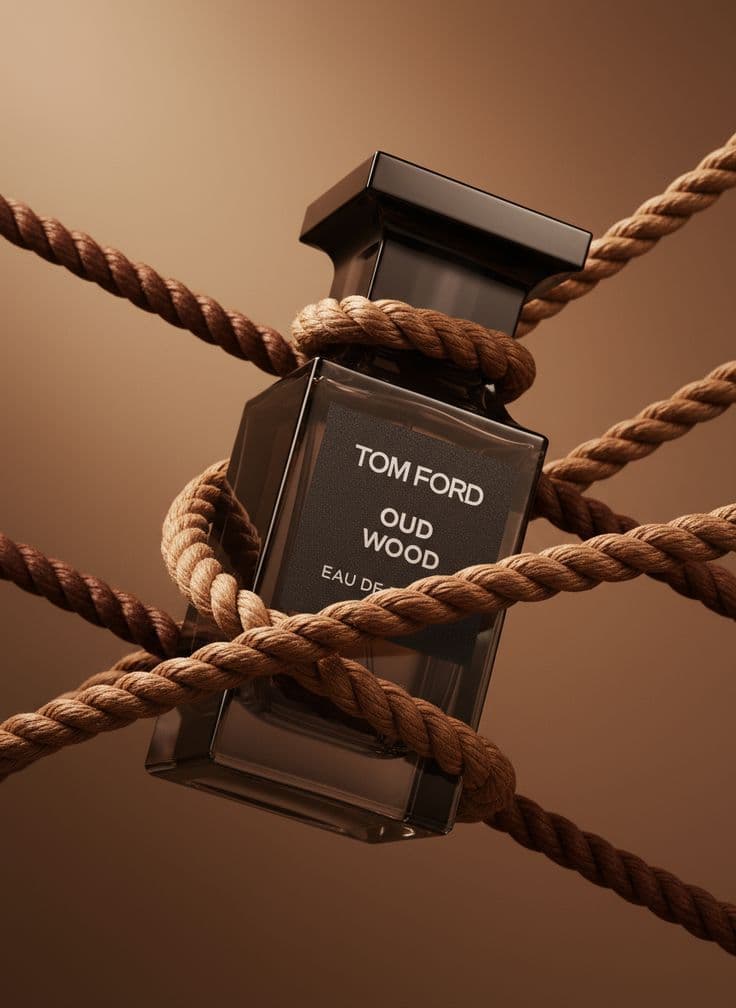
The close-up that proves craft. Stitching, weave, stone setting, cream texture — the details that convert the skeptic. Generated from your product reference.
Macro is how quality becomes visible
Macro detail photography is extreme close-up imagery that fills the frame with a single texture, material, or feature of the product — the weave of a fabric, the setting of a stone, the pour of a serum, the cross-section of a chocolate bar. It's the shot that converts the customer who has already decided they like the product but hasn't decided to trust it. At hero-image distance, everything looks broadly acceptable. At macro distance, craft reveals itself: the stitch count on a bag, the clarity of a gem, the micro-bubbles in a cream, the grain of a leather. For premium categories, macro imagery is where the PDP earns the price. Shooting macro well traditionally requires specialized equipment — a macro lens (100mm f/2.8 or similar), focus stacking for deep sharpness, a tripod with micro-adjustments, and lighting that can hit a square inch cleanly without throwing spill. Most brands don't have a macro setup in-house and the shots they need rarely get taken. Snapsible generates macro imagery directly from your product photo. Upload a reference, point at the detail you want to feature (the clasp, the stitching, the texture, the surface), and the AI renders a tack-sharp close-up with accurate material properties. For products where macro isn't critical — generic household items, for instance — this is nice to have. For jewelry, watches, leather goods, skincare, food, and any craft-driven category, macro detail shots are one of the highest-lift uses of the tool.
AI-generated. Studio quality.
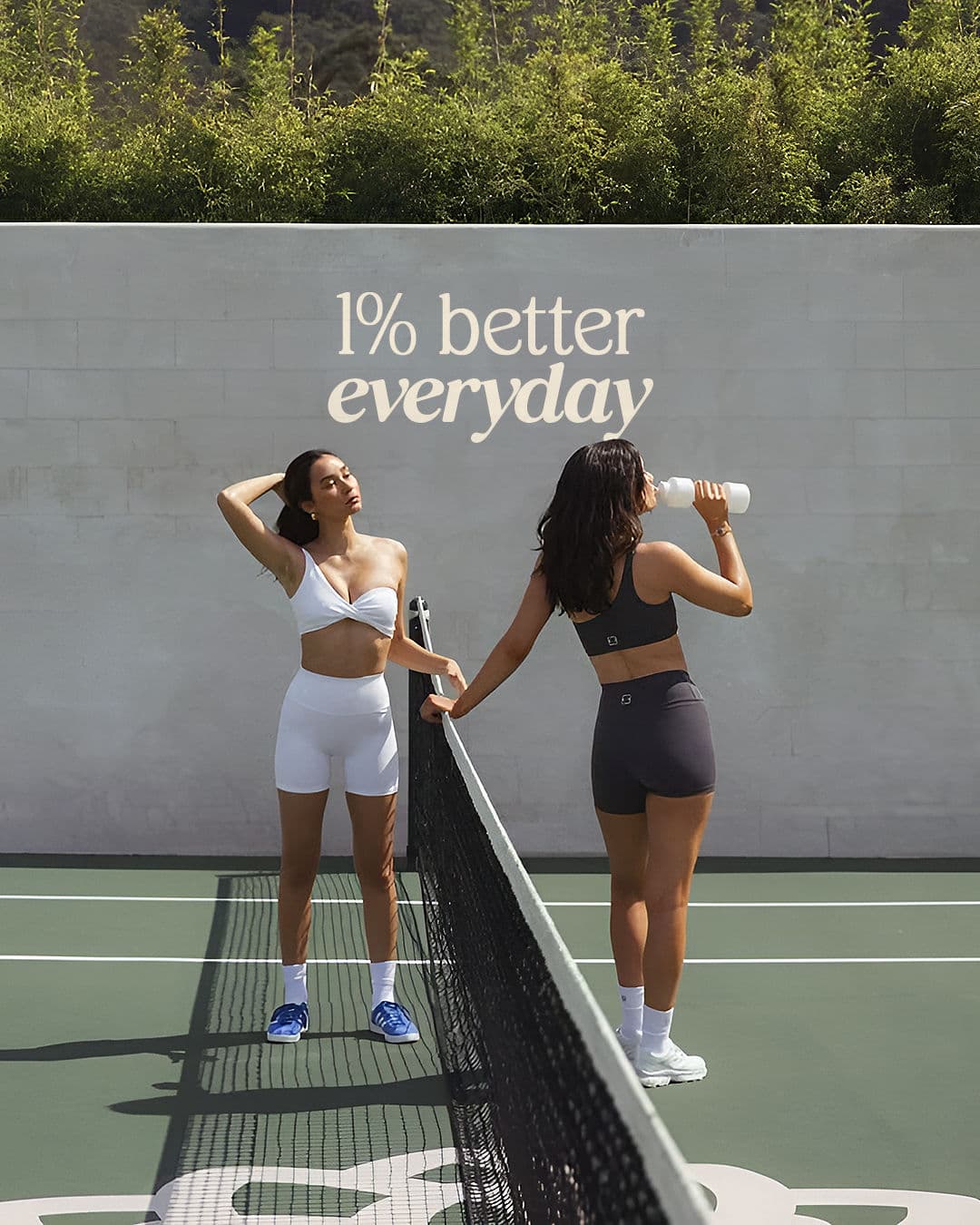
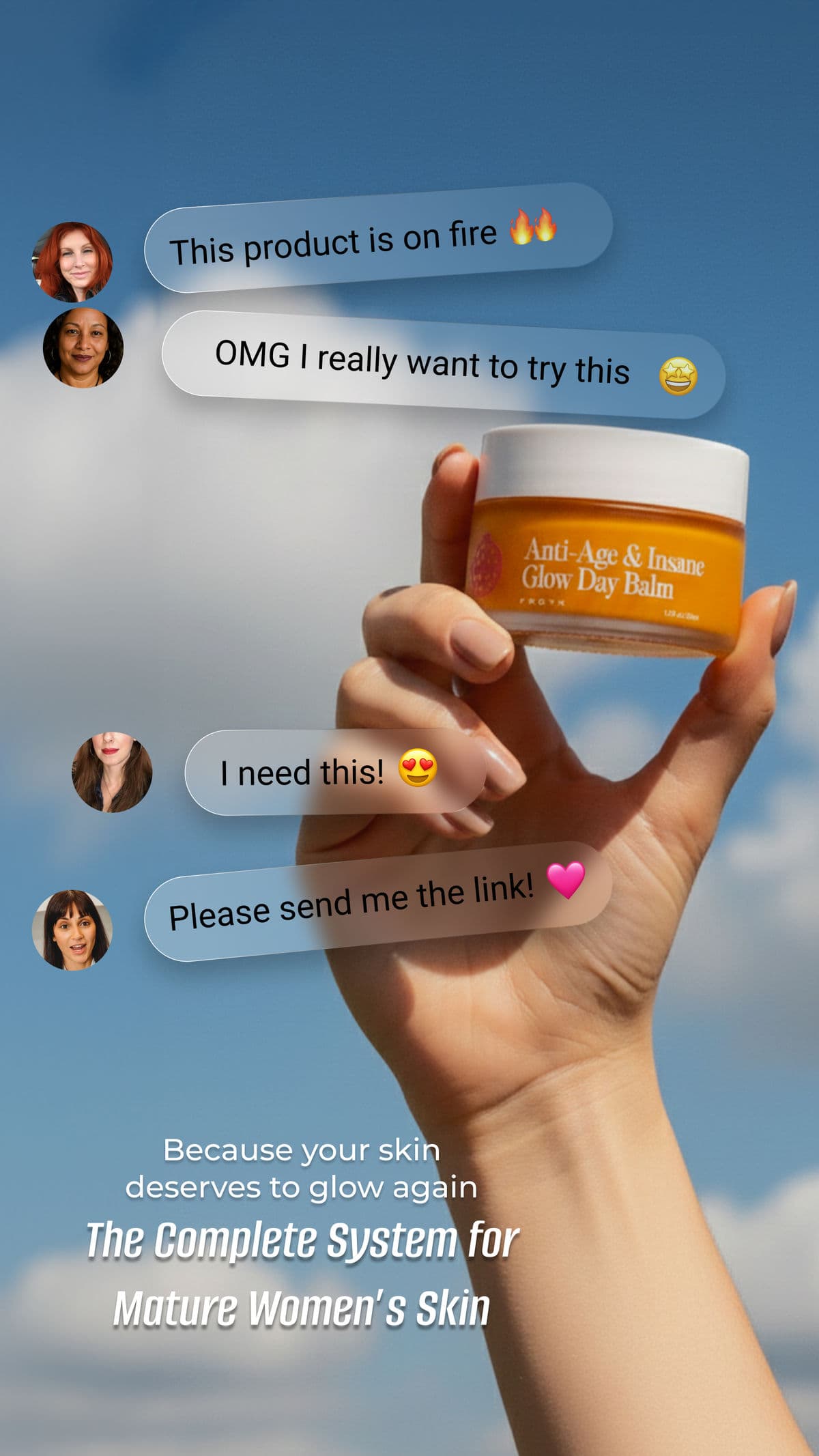
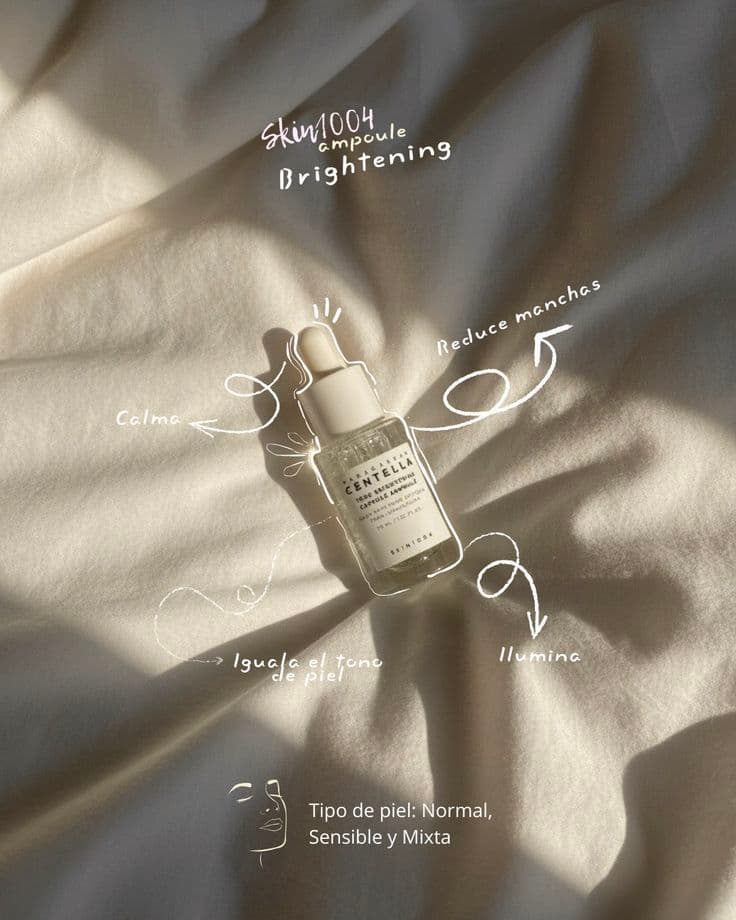
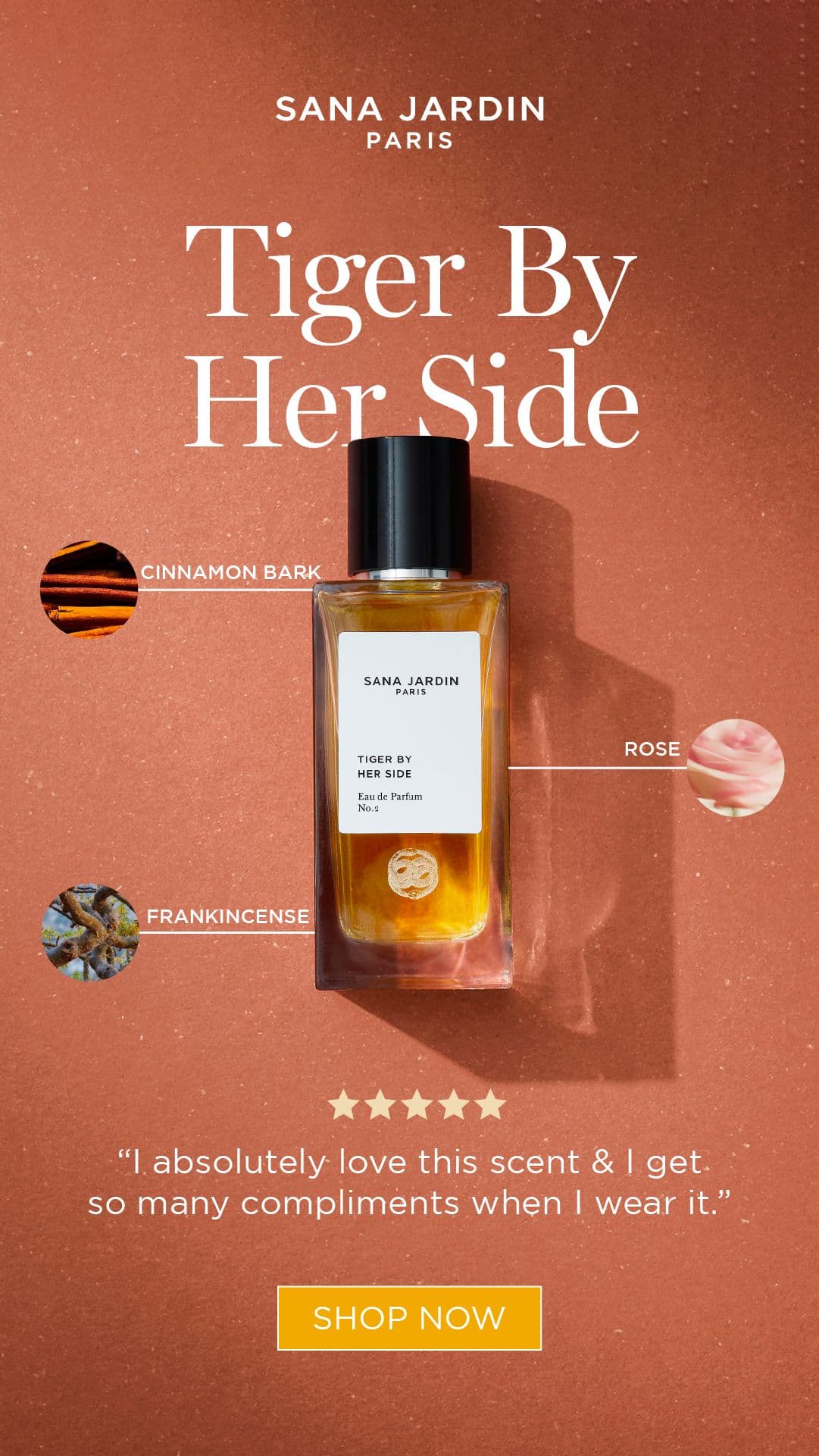
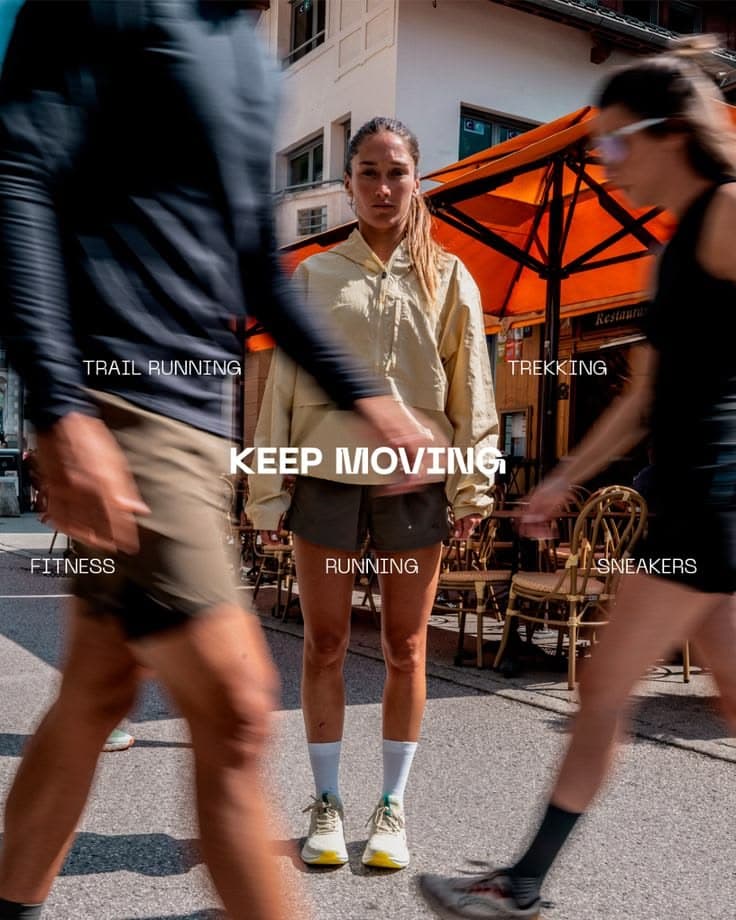
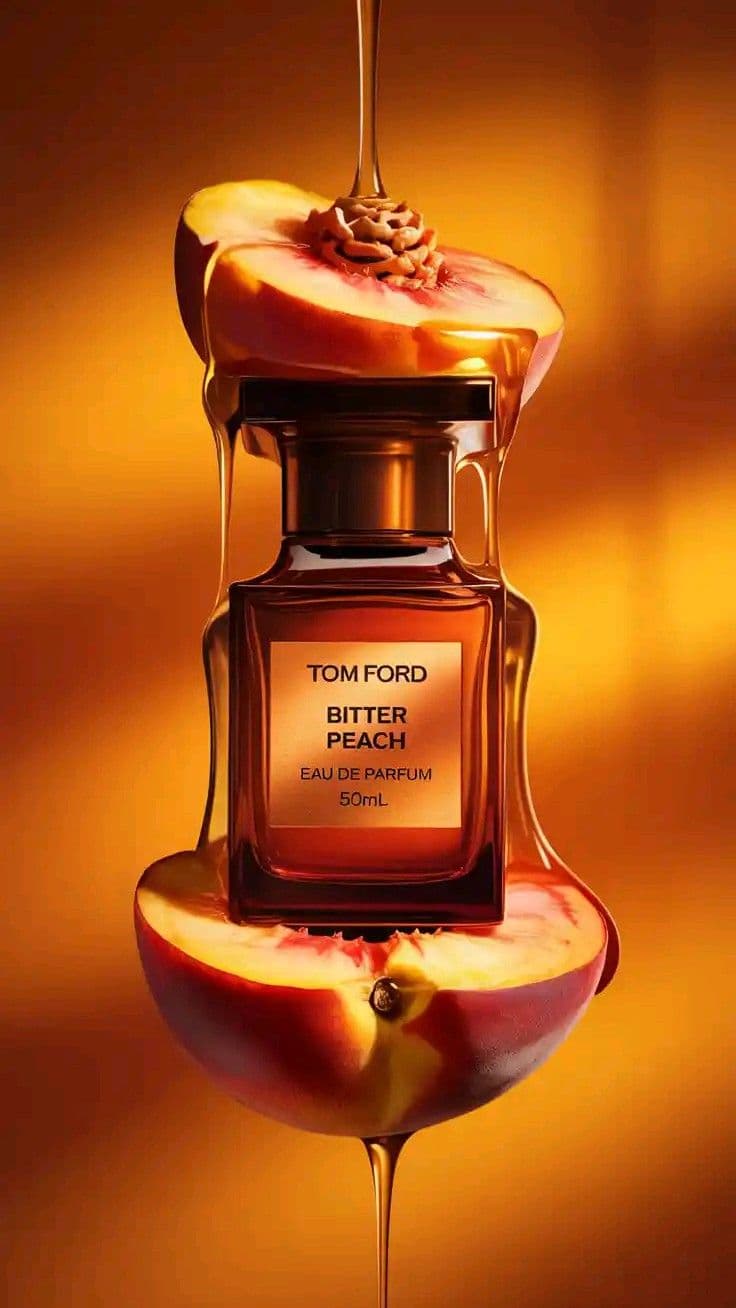
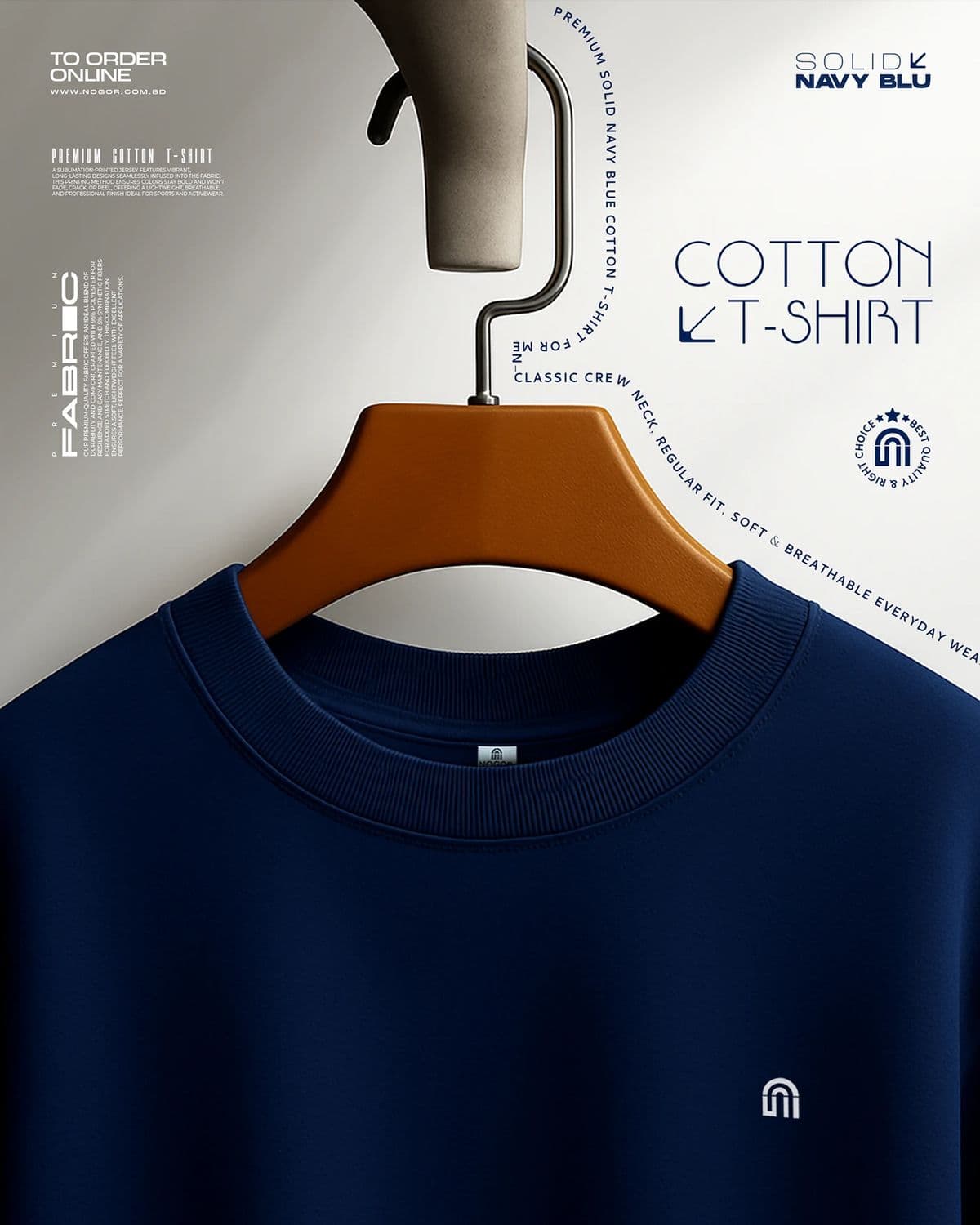
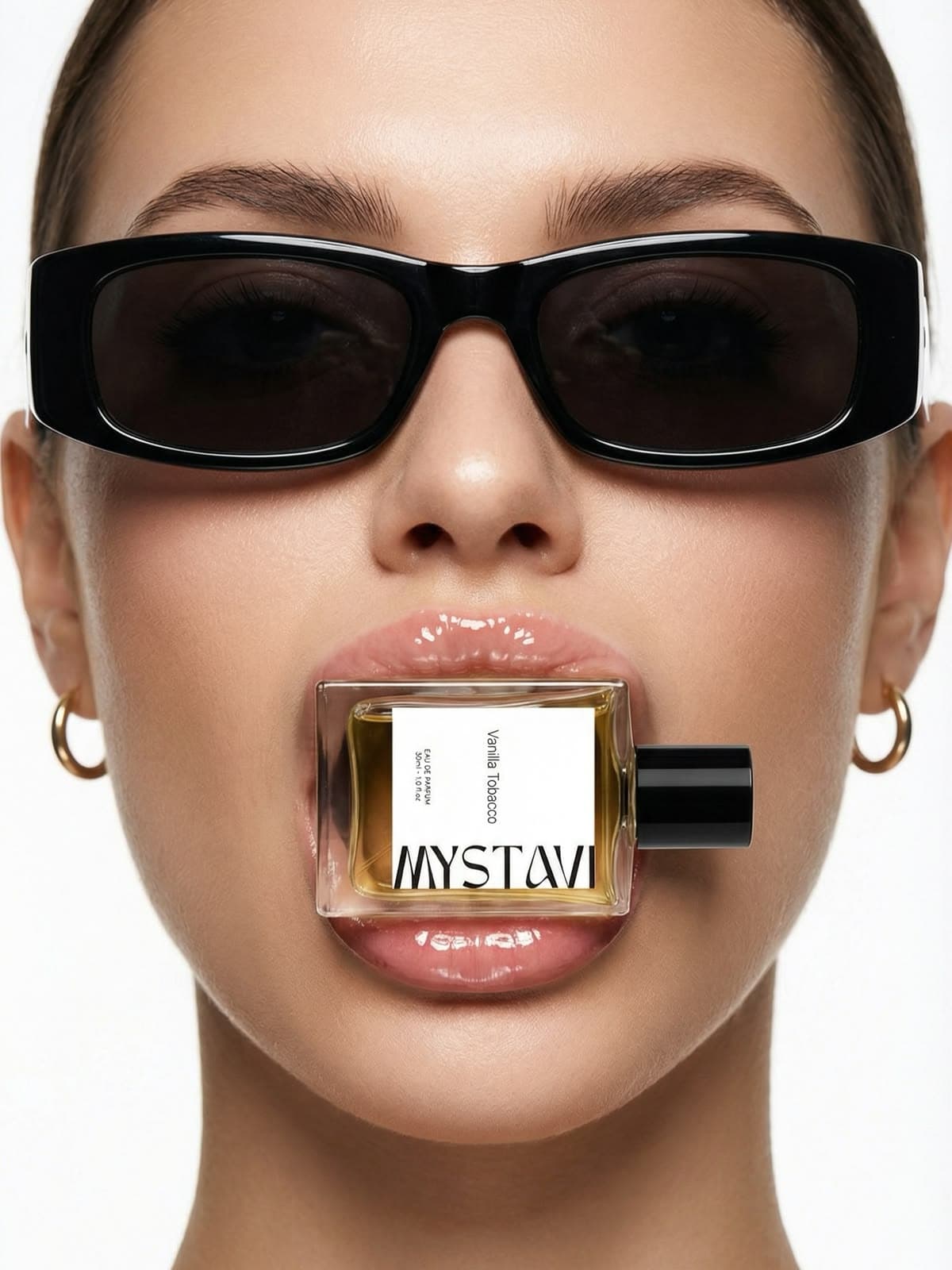
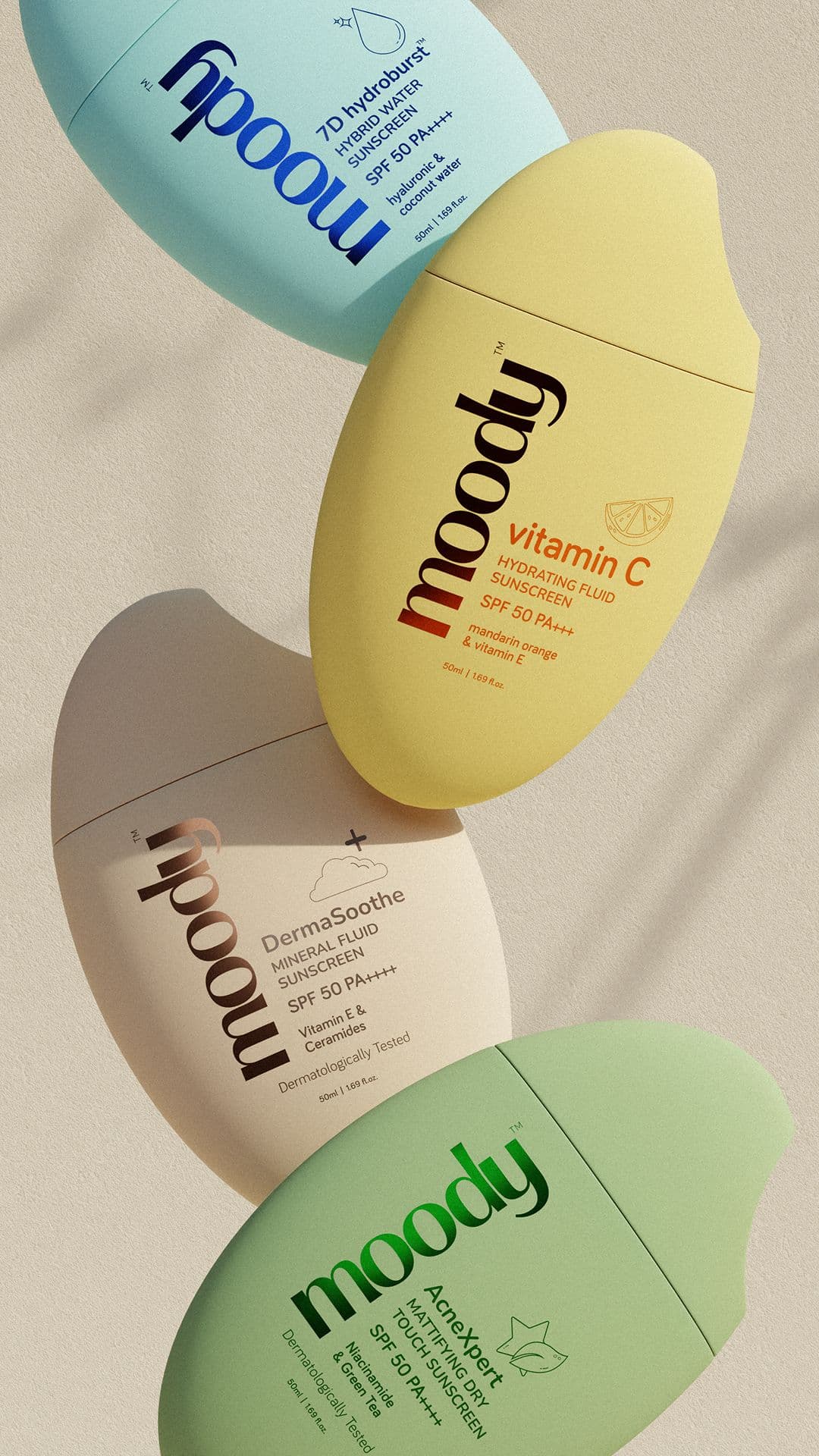
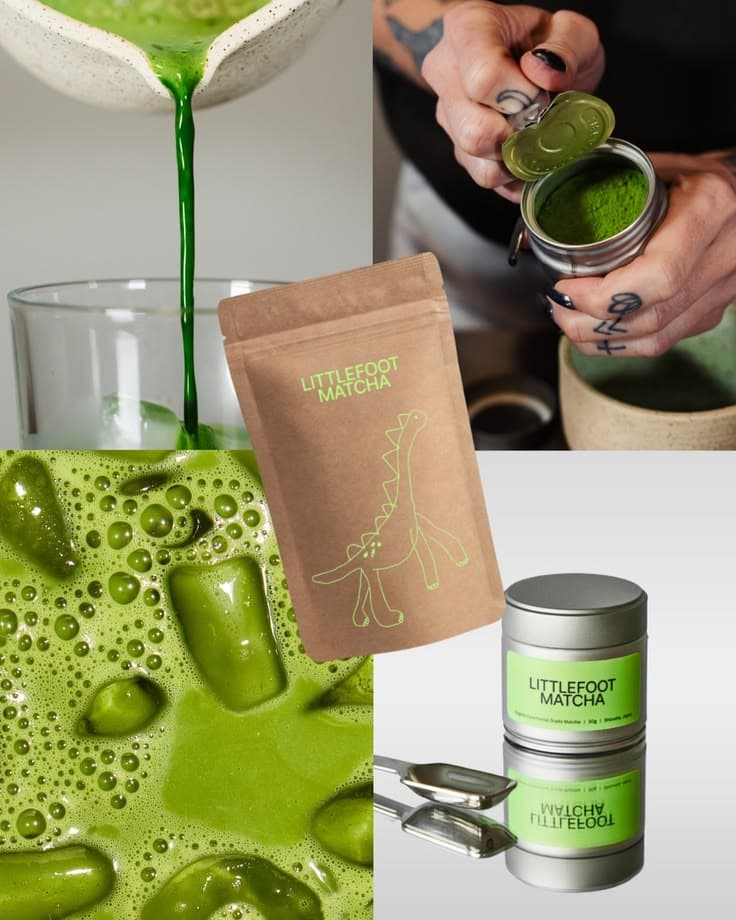
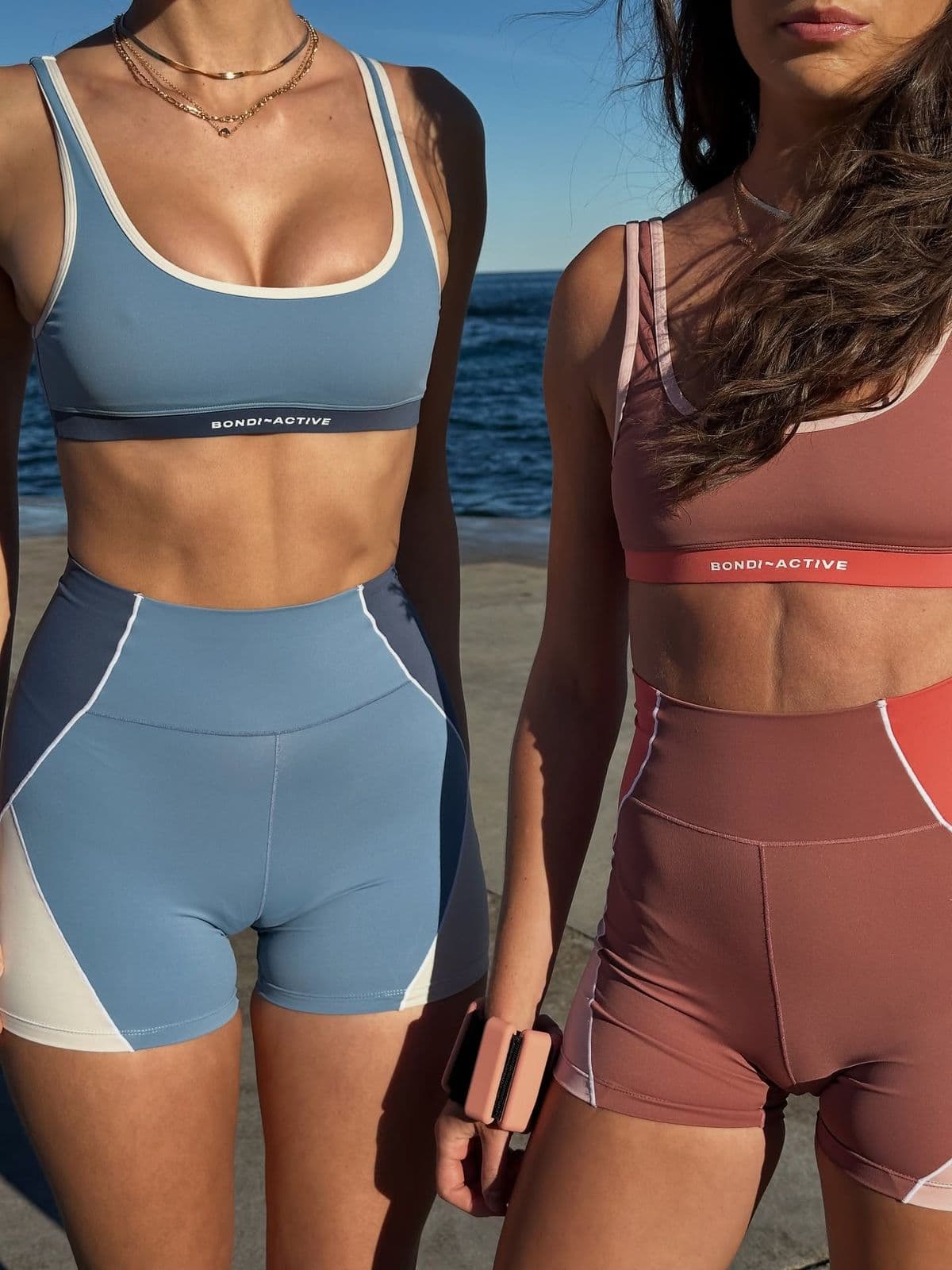
Every image below was generated in seconds. No photographer, no studio, no retouching.
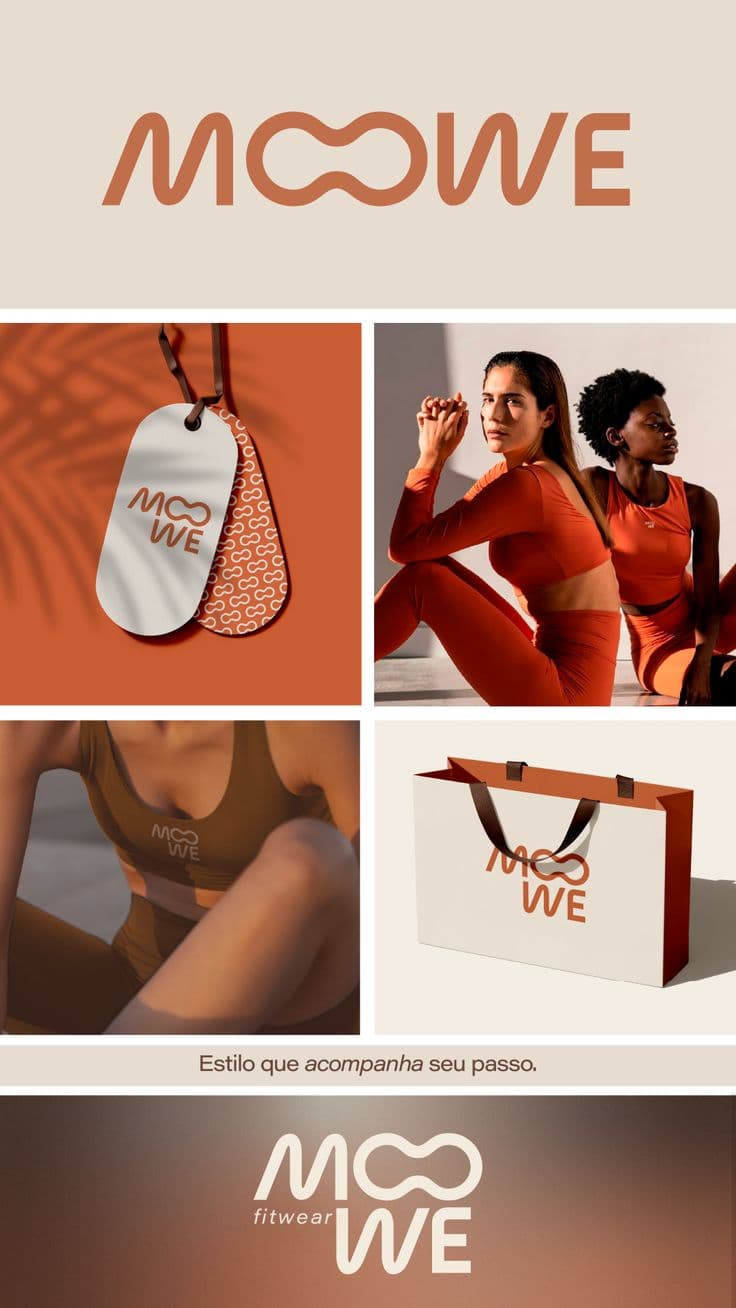
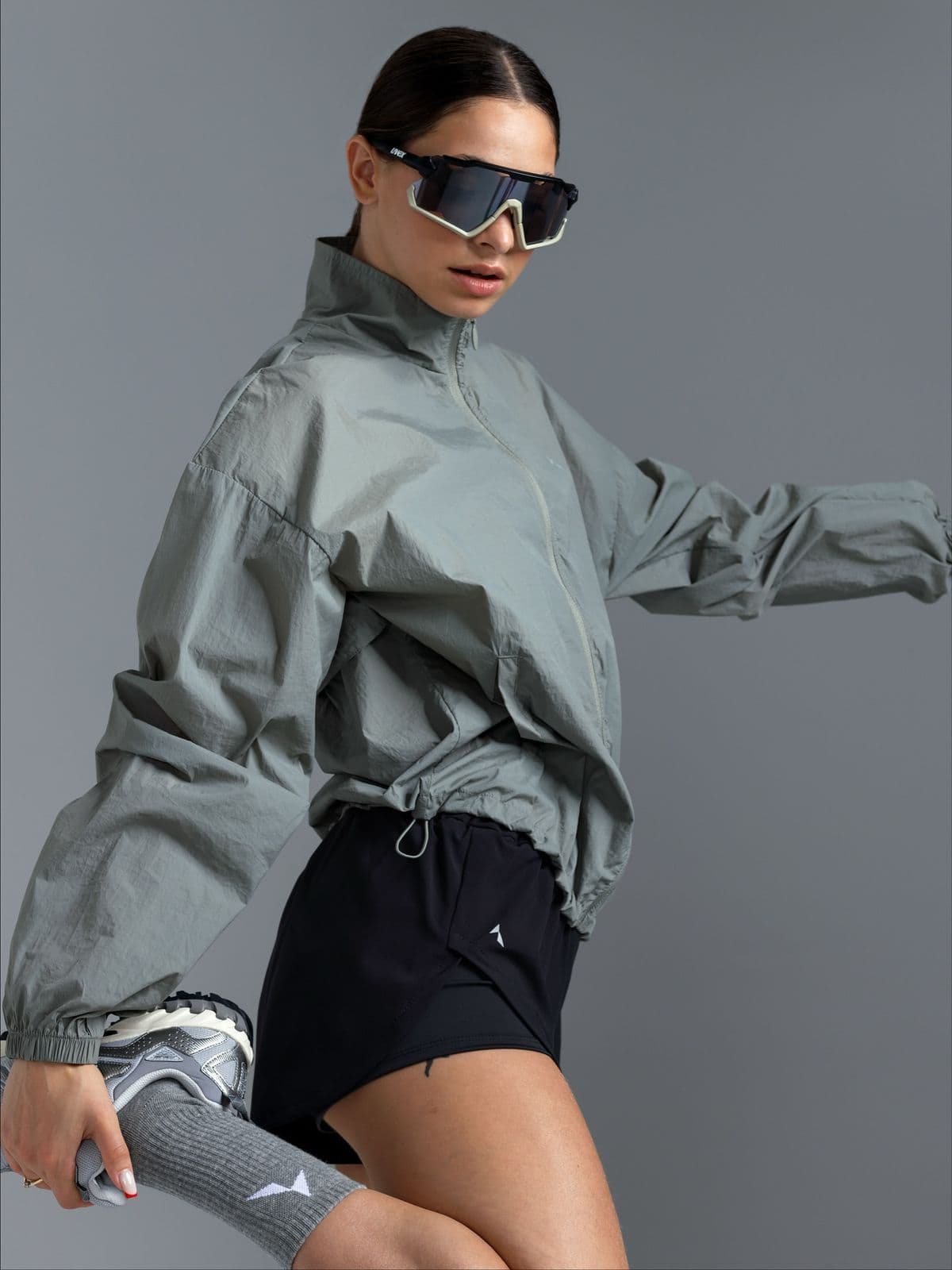
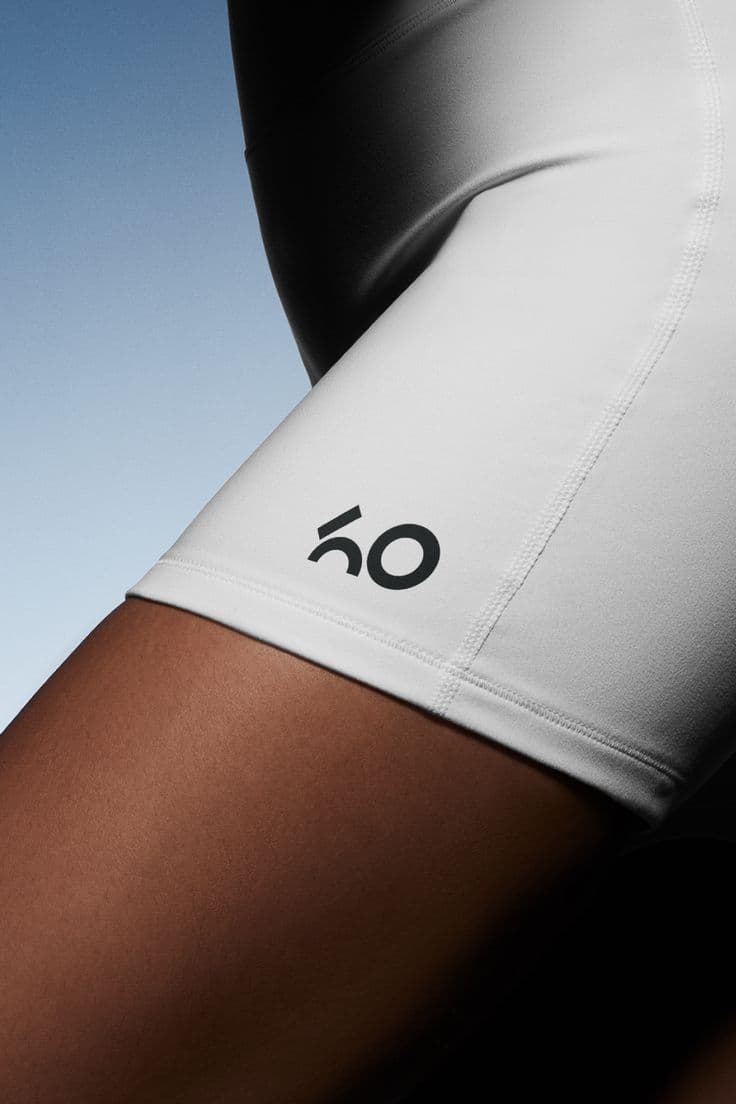
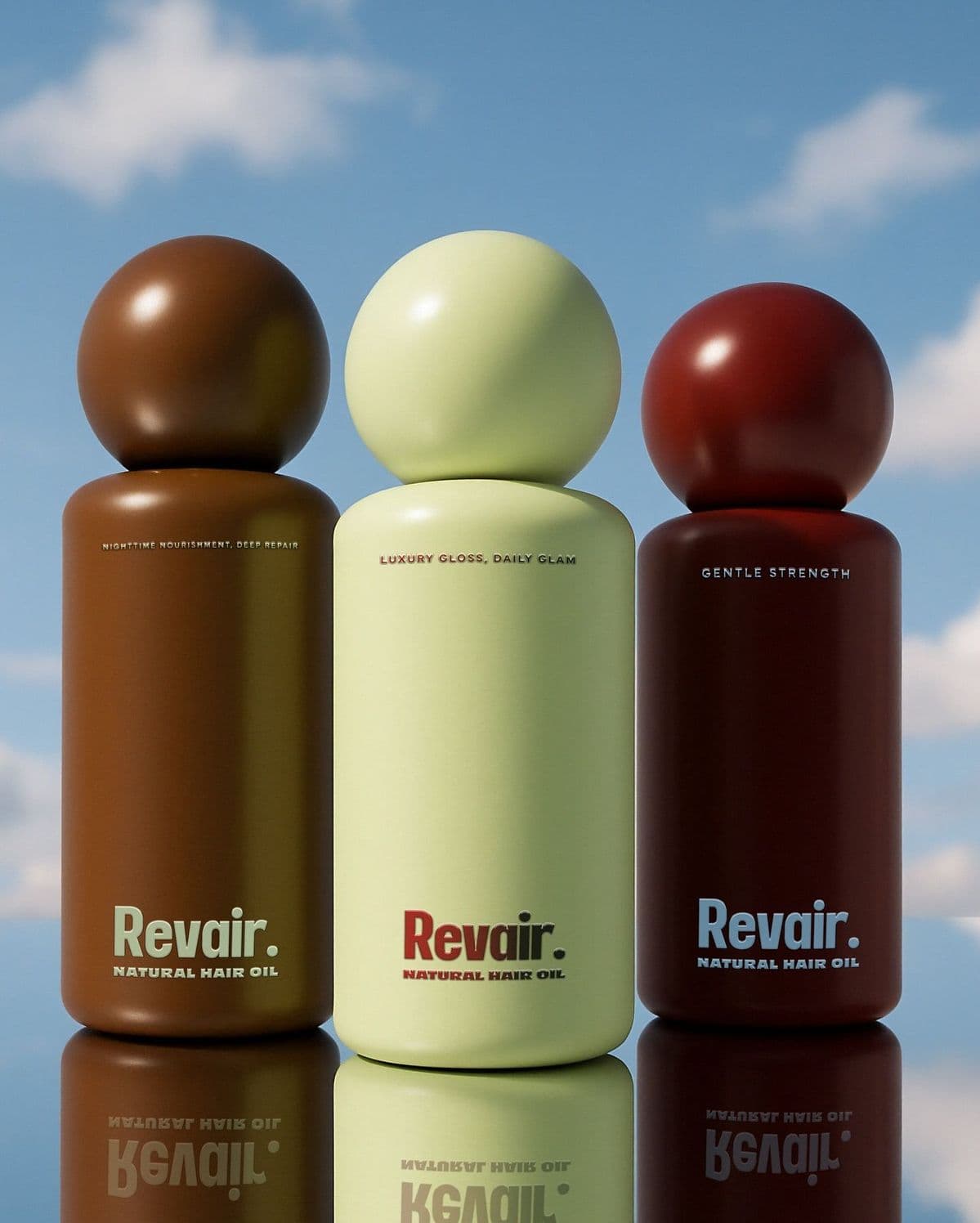


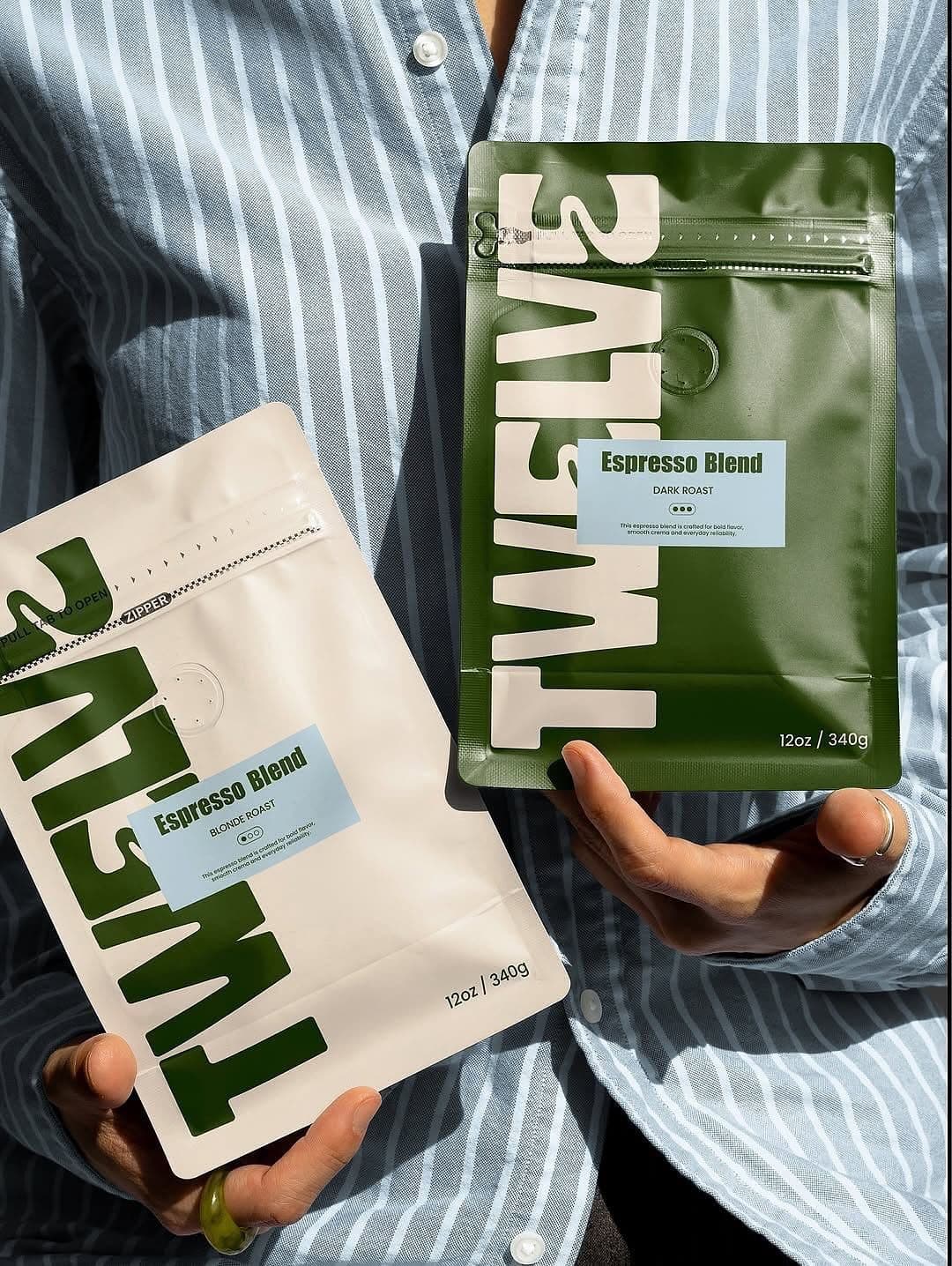
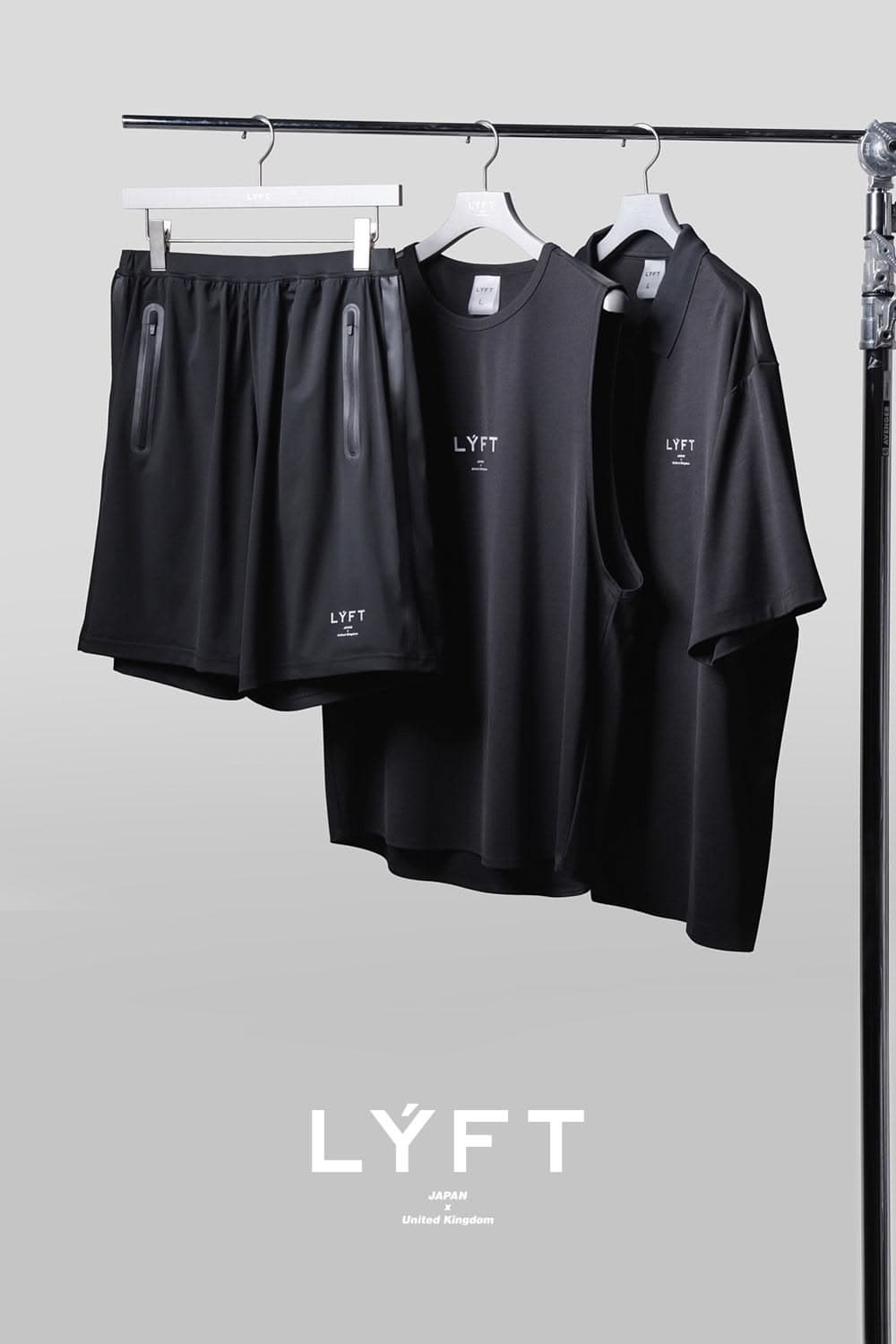
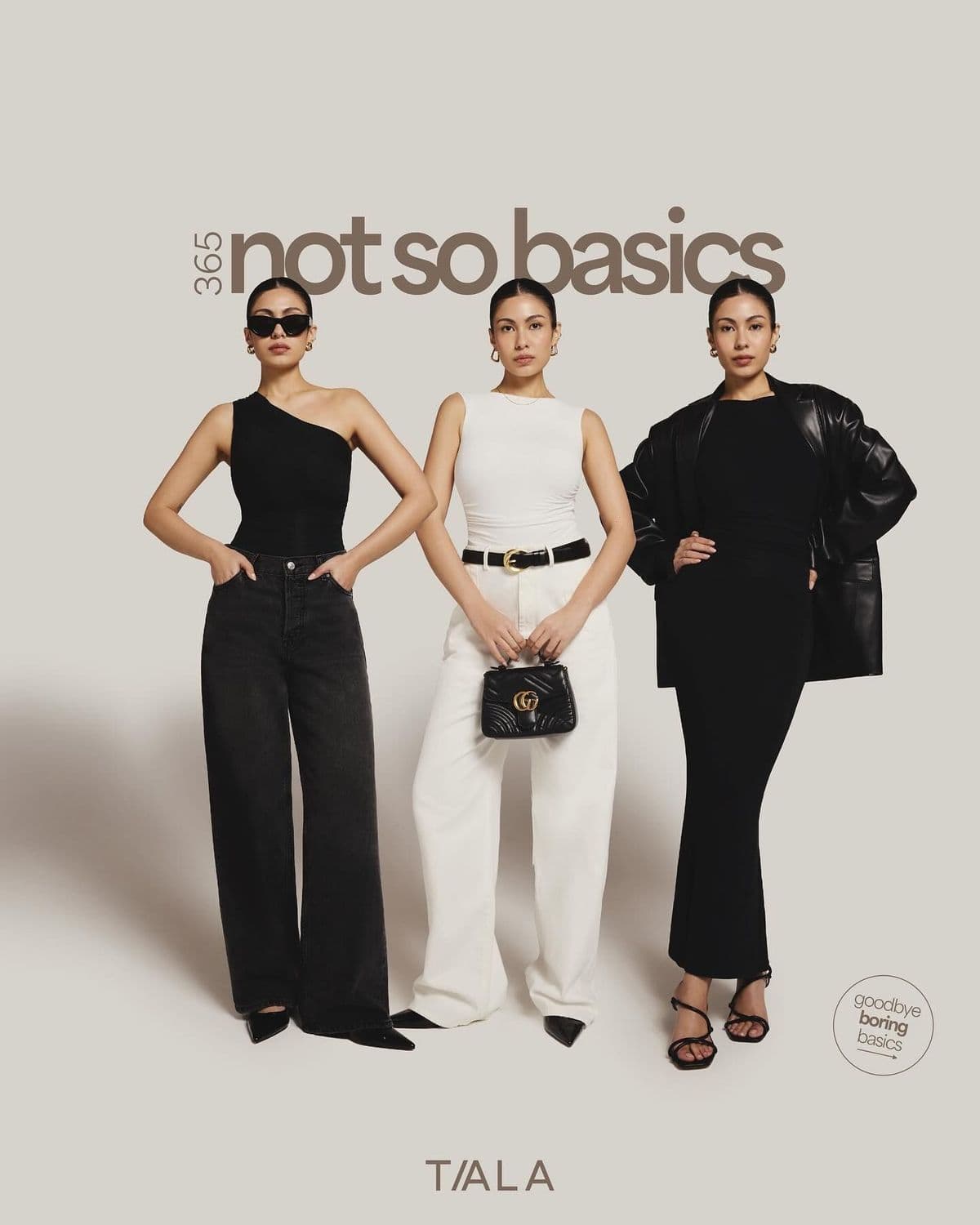
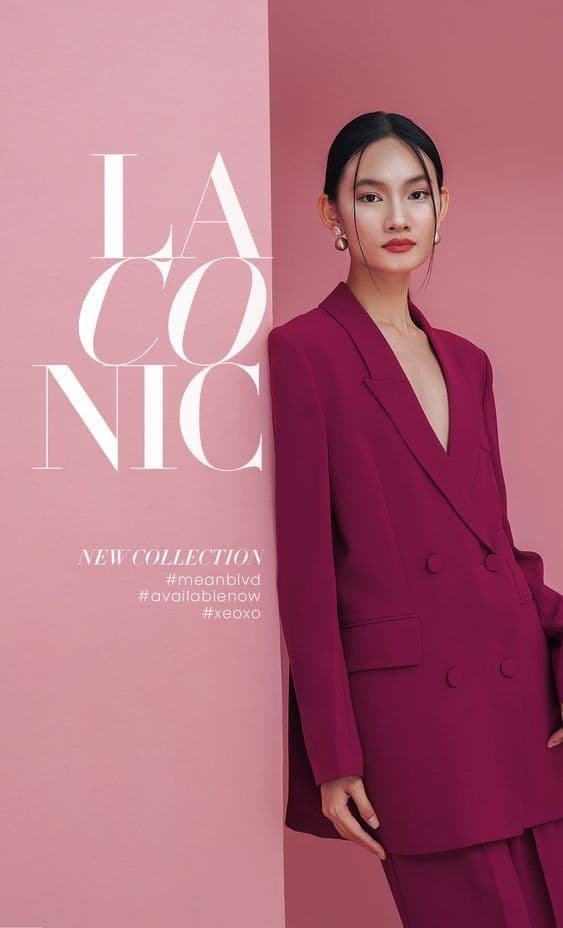
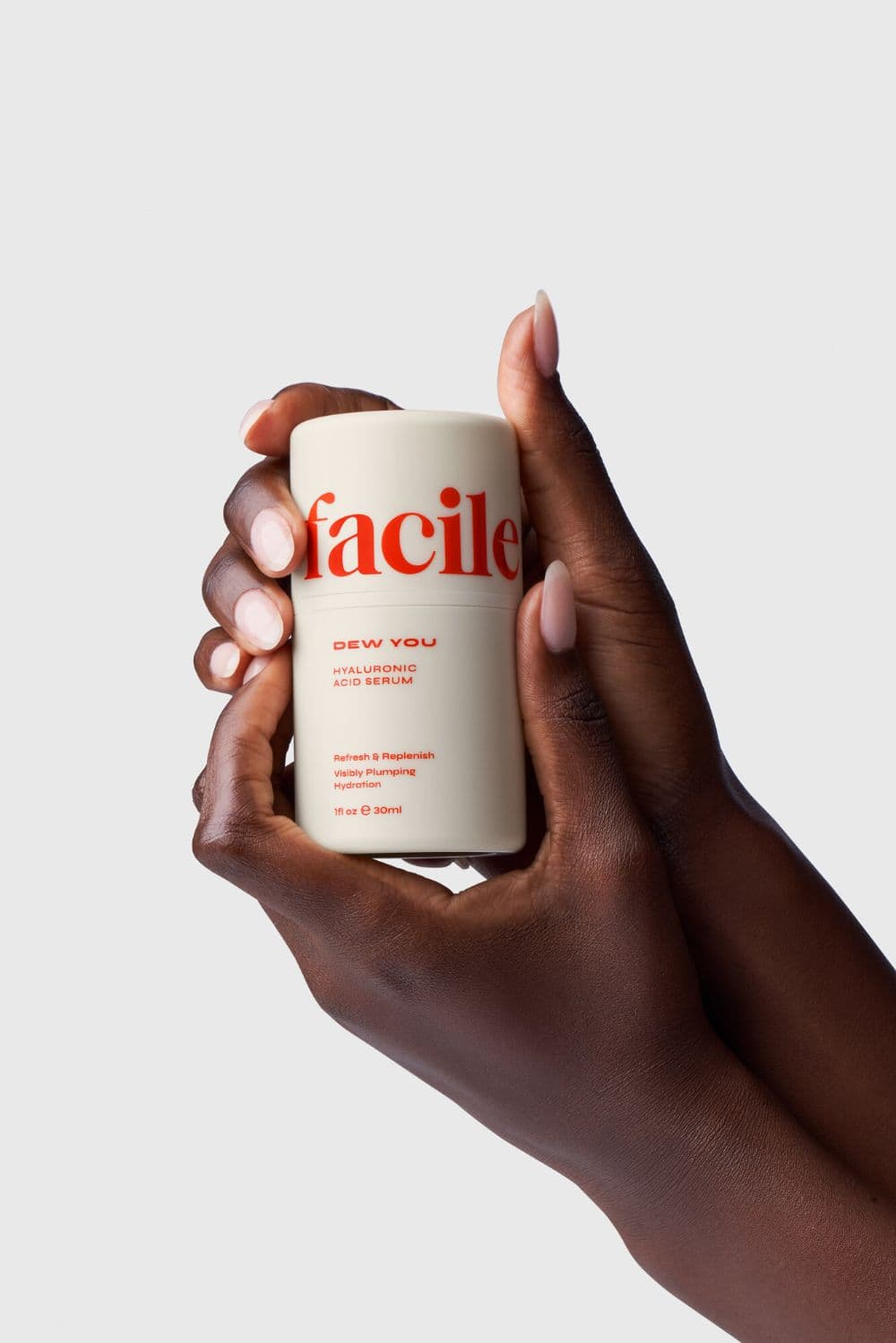
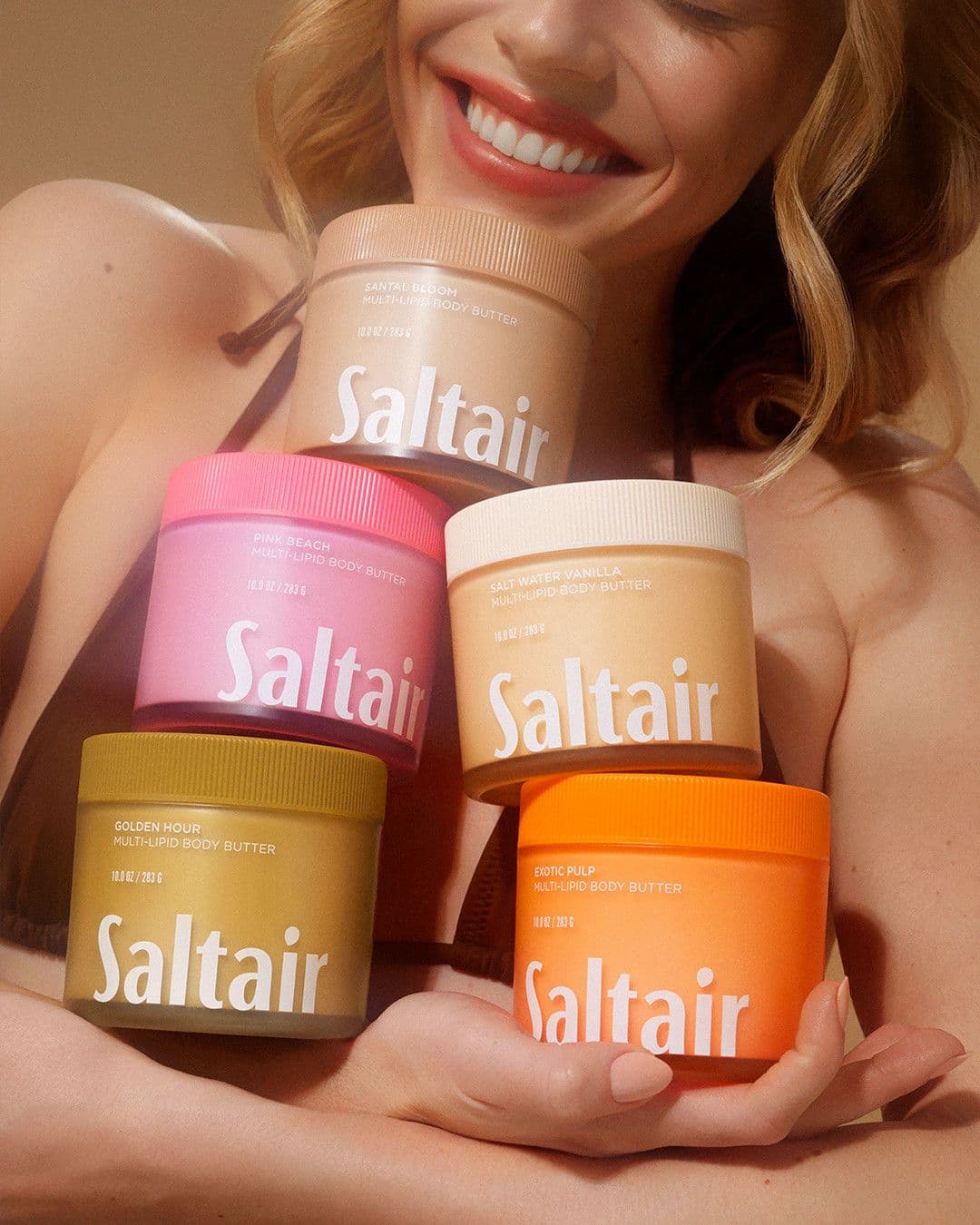
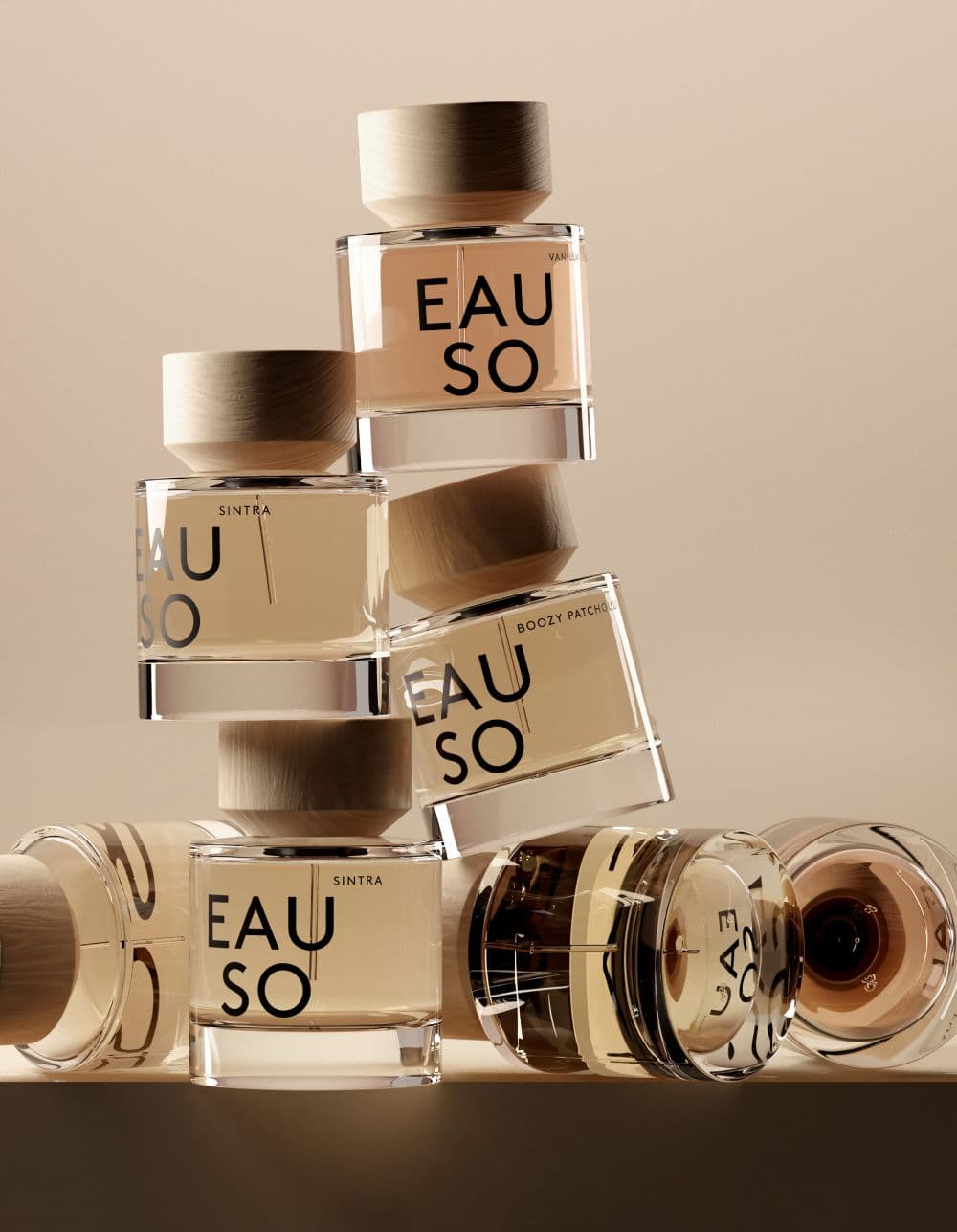
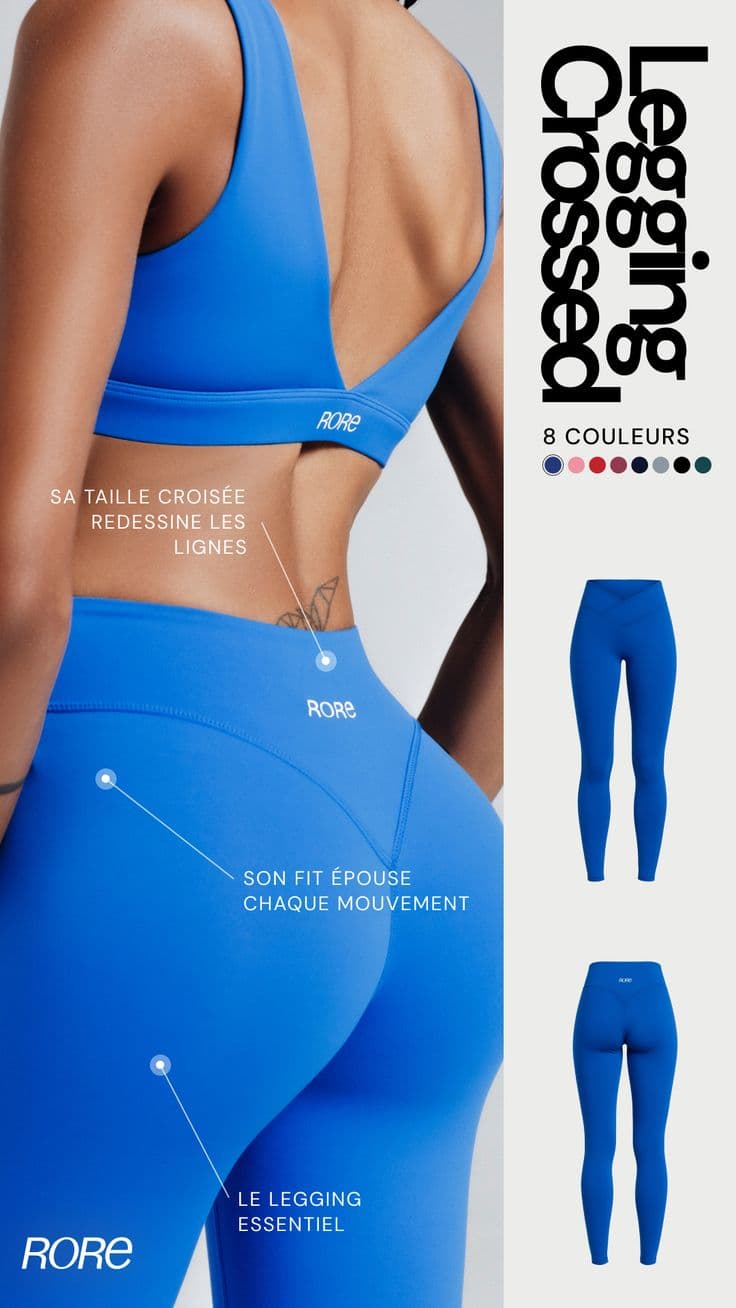
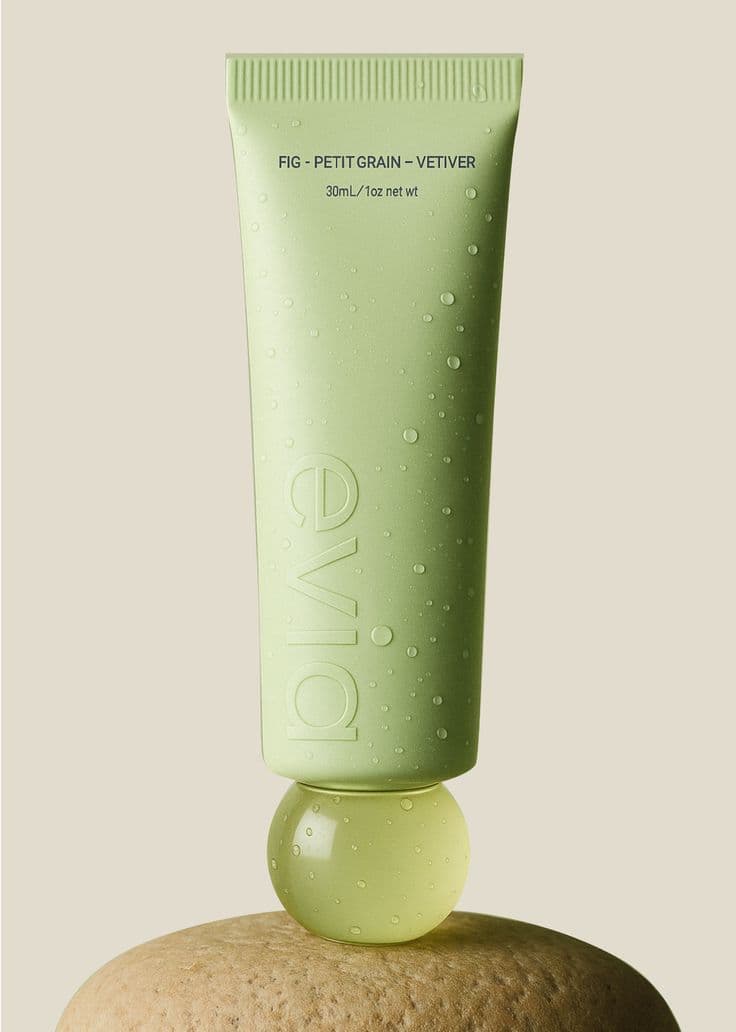
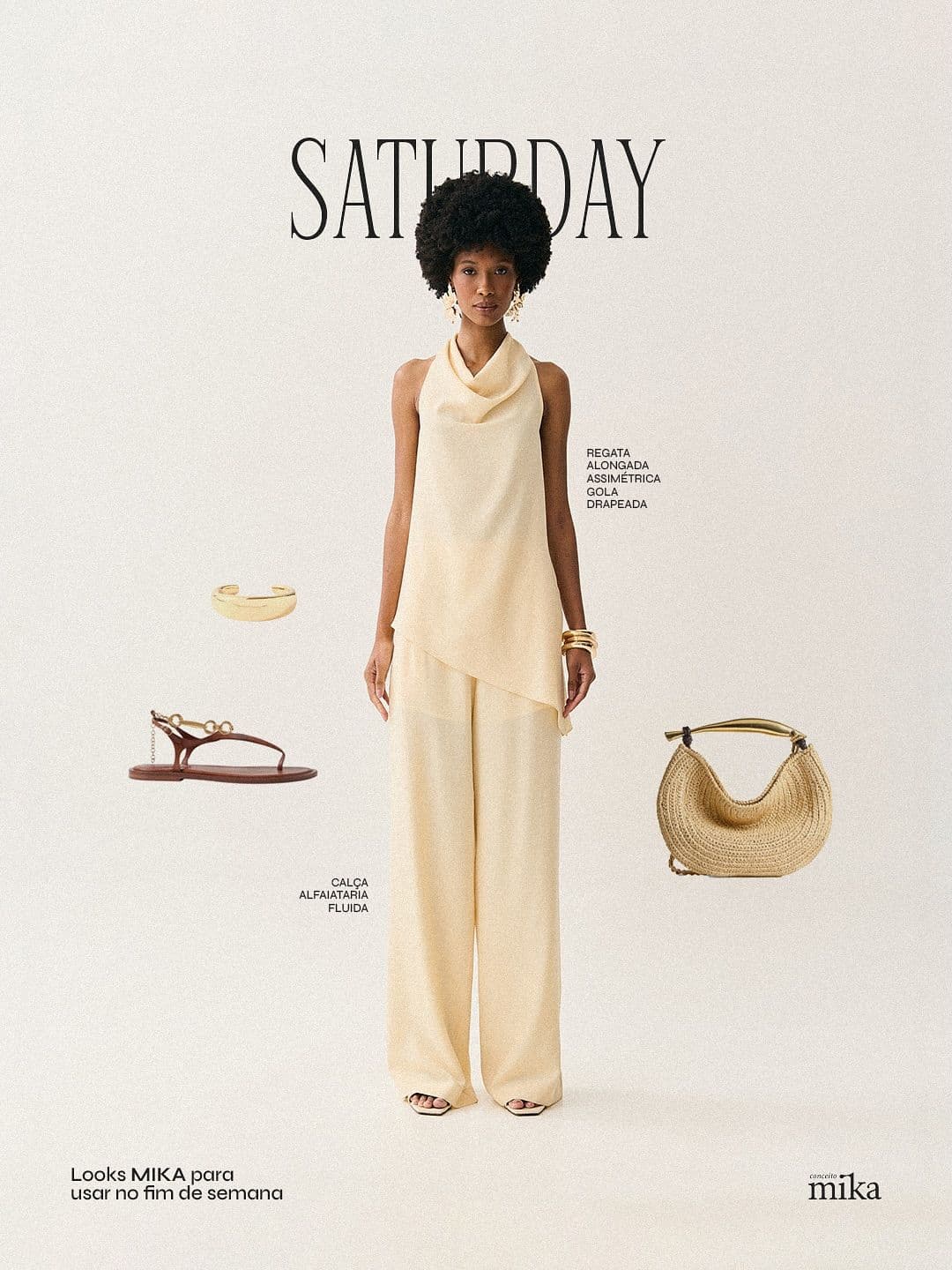
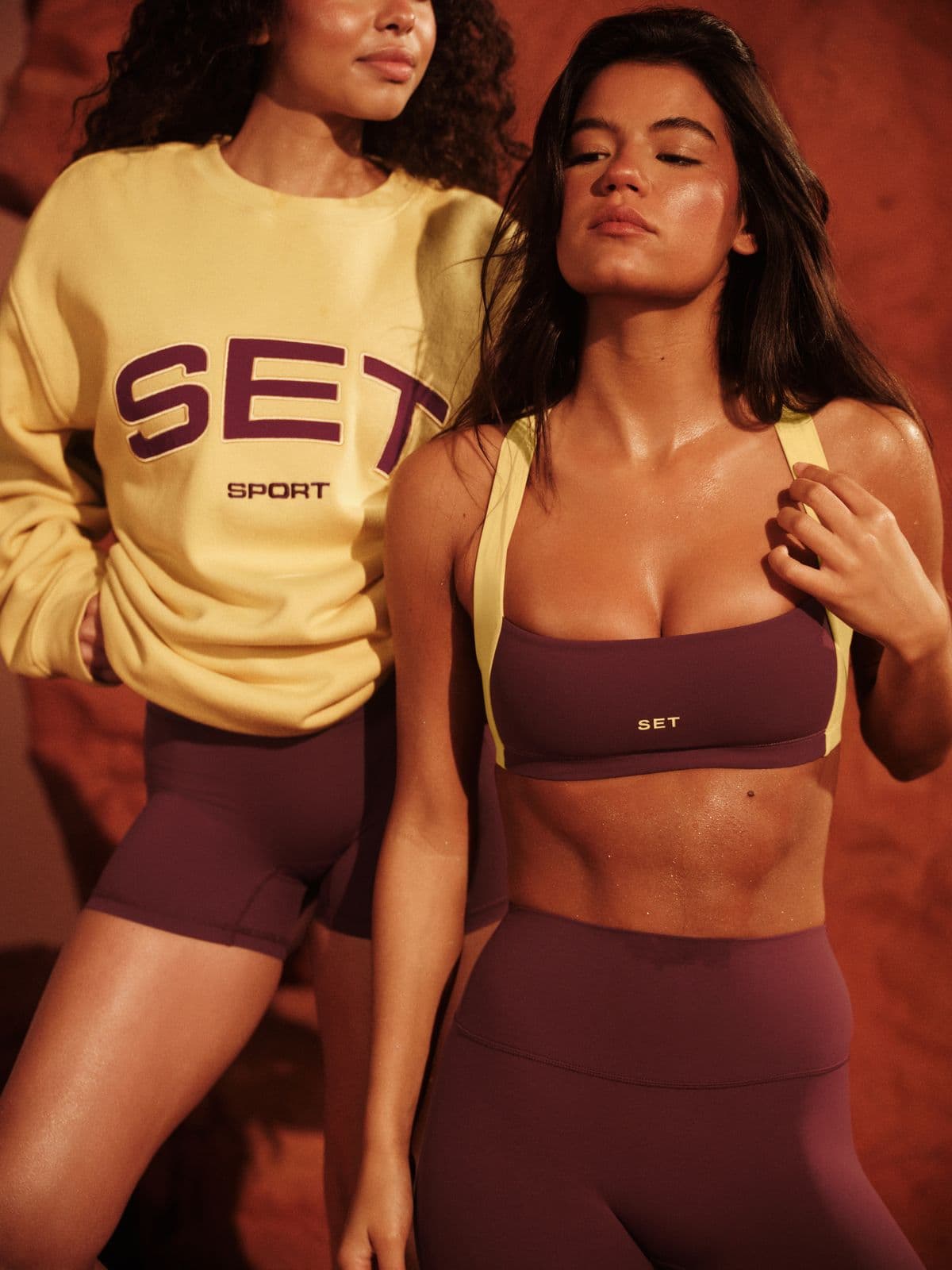
How to make a macro shot look expensive, not just close
Macro is a precision style. Six things that consistently separate macro-grade imagery from "just zoomed in."
Pick one feature, commit fully
A macro shot of "the product" is a product shot. A macro shot of "the clasp" or "the stone setting" or "the stitching" is a macro shot. Commit to one feature and frame the whole image around it. Trying to show multiple features at macro distance breaks the format.
Use raking light to reveal texture
Light that grazes across the surface at a low angle reveals texture that straight-on light flattens out. This is how you show leather grain, fabric weave, or powder surface. Reference side-lit product photography, not evenly lit catalog shots.
Keep the focus plane razor-thin and intentional
Macro shots have very shallow depth of field by physics. Pick what should be sharp — the stitch, the stone, the meniscus of the serum — and let everything else fall off. Tack-sharp across the whole frame looks like CGI, not photography.
Let specular highlights stay bright
The tiny bright reflections on metal, glass, leather, and cream are how the eye reads material. Don't kill them by over-lighting or over-softening. Specular highlights are the visual signature of each material type.
Show scale context somewhere in the frame
Pure macro can disorient the viewer. Including a tiny visible edge of the product (the rim of the jar, the edge of the bag, the curve of the ring shank) anchors scale and tells the viewer what they're looking at. Complete abstraction can confuse.
Match the backdrop to the material, not to the brand
Velvet behind jewelry, ceramic under chocolate, linen under leather, water for glass. The backdrop exists to make the material look like itself. Pulling the brand color into macro tends to compete with the texture story.
Three steps to
studio-quality content
No design skills. No studio. Just your product, your brand, and a reference image.
Set up your Brand DNA
Paste your website URL and we auto-extract your colors, fonts, tone, and style in seconds. Or define it manually.
Pick your references
Upload inspiration images or import directly from Pinterest. AI analyzes the scene, lighting, and composition.
Generate & download
AI places your exact product into the reference scene. Download in any format, or create ad creatives in one click.
Macro Detail photography by niche
Product categories where macro detail photography works best.
More macro detail combinations
Start free. Scale when ready.
Every plan runs on credits — 5 credits per image. No hidden fees, no confusing tiers.
Try it out, no card needed.
- 50 credits / month
- 10 image generations
- 1 brand profile
- All 6 workflows
For solo creators and founders.
- 500 credits / month
- 100 image generations
- 5 brand profiles
- All 6 workflows
- No watermark
- Commercial license
For growing brands and agencies.
- 1,500 credits / month
- 300 image generations
- Unlimited brand profiles
- All 6 workflows
- No watermark
- Commercial license
- Priority queue
- API access
5 credits per image · All workflows same cost · Credits reset monthly, no rollover
Macro Detail product photography: FAQ
Your References +
Your Brand DNA
= Studio-Quality Content
No designers. No studios. No wasted hours. Just upload, generate, and publish.
Free plan available · No credit card required · Cancel anytime